REGIONAL CONFERENCE

BRIDGING FUTURES:

INTERNATIONALISATION OF HIGHER EDUCATION IN THE WESTERN BALKANS AND SOUTHEAST EUROPE

REGIONAL CONFERENCE FOR THE WESTERN BALKANS

Co-organized by the Regional Cooperation Council (RCC) and the World Bank under the patronage of the Ministry of Education and Science of North Macedonia

Shaping the Future of Higher Education in the Western Balkans

As the Western Balkans advance toward EU integration, higher education systems have an unprecedented opportunity to leapfrog in quality and impact. Higher education internationalisation can be the driver of such transformation, promoting competitiveness, innovation, talent circulation, and regional cooperation, if designed strategically.

Bridging Futures convenes ministers, university leaders, policy makers, quality assurance agencies, industry partners, and international experts to define how internationalisation can strengthen higher education systems across the Western Balkans and Southeast Europe.

Passcode: 000000

Start In:

Days
Hours
Minutes

Why This Conference Matters

Internationalisation as Strategy

positioning the WB6 within European and global higher education networks

Talent & Mobility

addressing demographic change, skills shortages, and brain drain

Skills, Innovation & Industry Links

strengthening STEM, digital skills, and applied research

Quality, Governance & Financing

laying the foundations for research excellence and international competitiveness

Regional Cooperation

peer learning with South-East Europe Cooperation Process (SEECP) partners for innovation and knowledge-exchange

Join the Conversation

Bridging Futures is more than a conference—it is a platform to connect systems, people, and ideas and to shape the next phase of higher education reform in the Western Balkans.

Passcode: 000000

What to Expect

Two days of high level dialogue and practical exchange, combining:

Invitees

OBJECTIVES

Discuss emerging developments and address major issues of common interest in higher education across the region

Examine internationalisation as a driver of competitiveness and talent circulation

Share best practices and expertise, fostering mutual learning from each other’s experiences, and strengthen cooperation

08:30 – 09:00  REGISTRATION & WELCOME COFFEE

WELCOME

Master of ceremony

Filip Kochan

Senior External Affairs Officer, External and Corporate Relations
Speakers

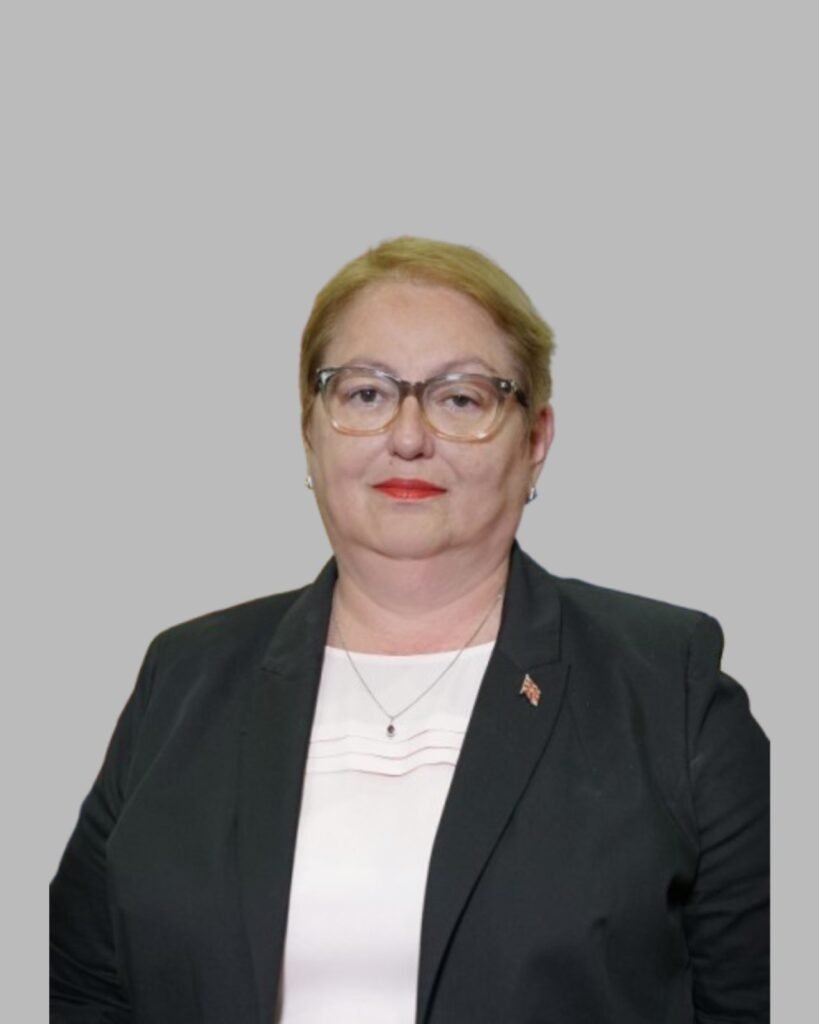
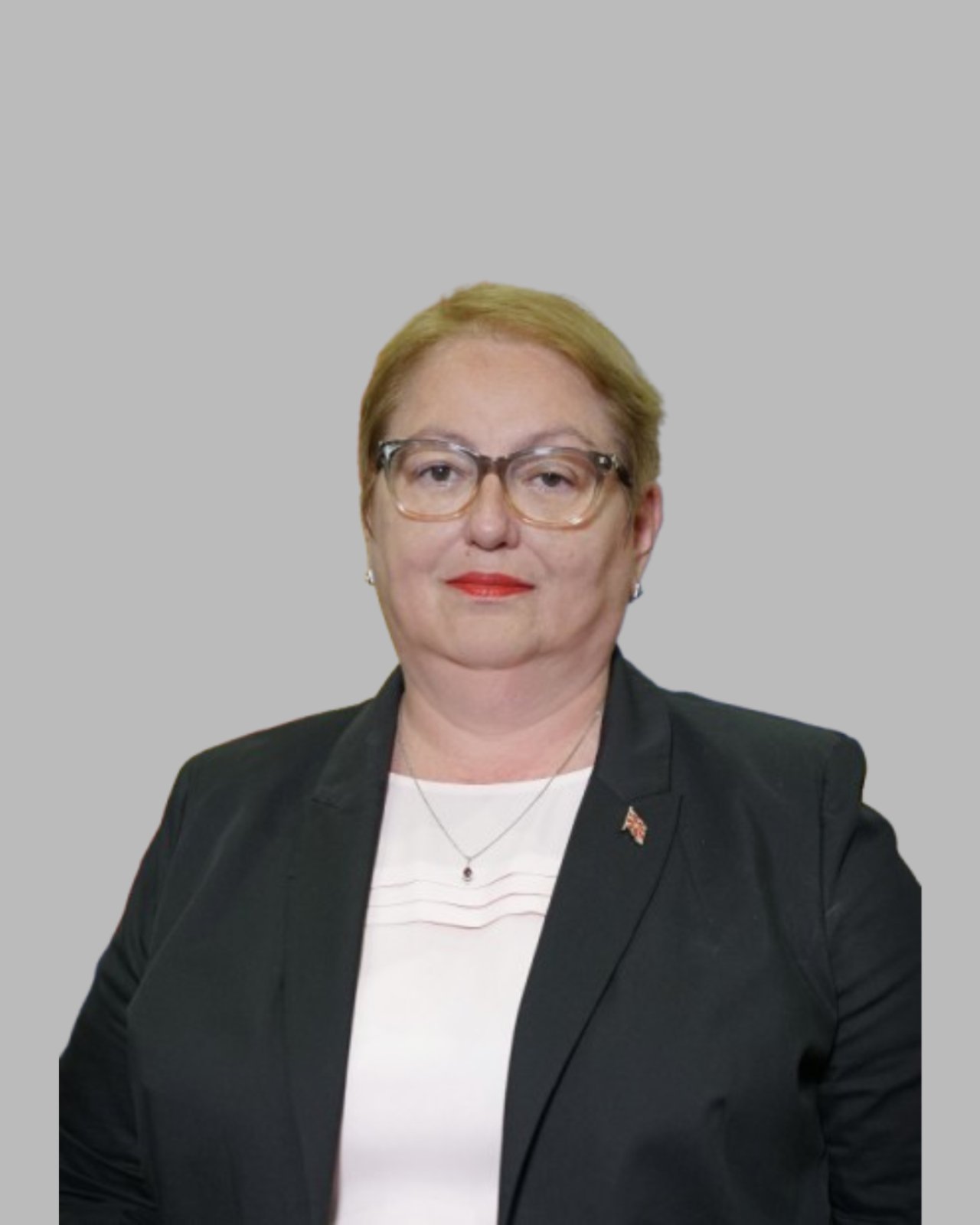
Ms. Vesna Janevska

Minister of Education and Science, Skopje

Mr. Amer Kapetanović

Secretary General, RCC
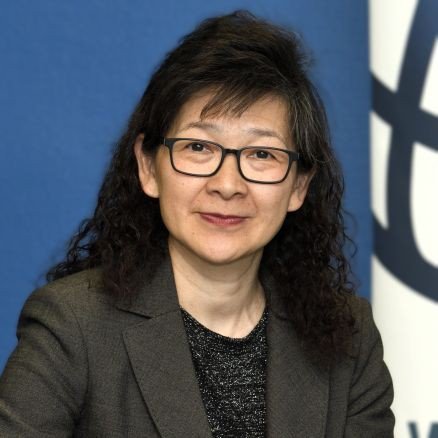
Ms. Xiaoqing Yu

Division Director for the Western Balkans, Europe and Central Asia, World Bank

Mr. Jamil Salmi

Global Leader in Higher Education

GLOBAL LESSONS: WHAT MAKES HIGHER EDUCATION SYSTEMS COMPETITIVE AND INTERNATIONALLY ATTRACTIVE?

PURPOSE:

This session will position internationalisation as a strategic tool for strengthening the global competitiveness of higher education systems in the Western Balkans, supporting talent circulation, innovation, and regional cooperation in line with EU integration ambitions.

We will explore:

Moderator

Mr. Slavko Gaber

Associate professor, University of Ljubljana
Former Minister of Education

Prof. Vesna Janevska

Minister of Education and Science, Skopje

Mr. Hajrulla Çeku

Minister of Education, Science and Technology, Pristina
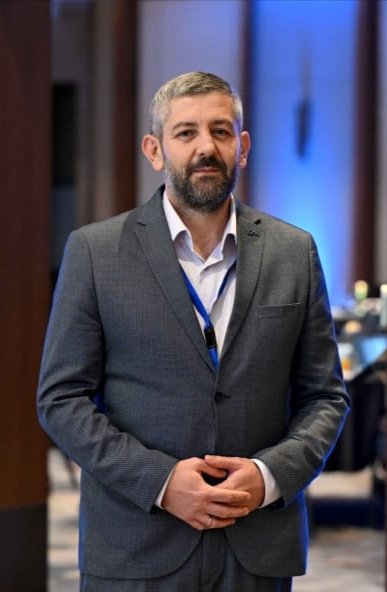
Mr. Dragan Marković

State Secretary, Ministry of Education, Podgorica
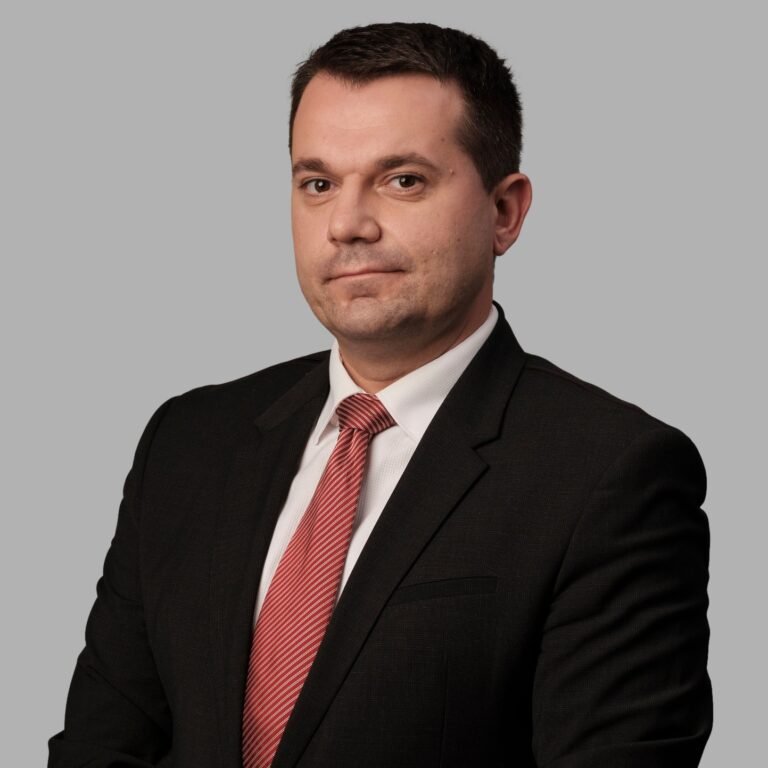
Mr. Aleksandar Jović

Assistant Minister, Ministry of Education, Belgrade

COFFEE BREAK

PURPOSE:

This session will examine how higher education mobility and cooperation frameworks can support talent circulation across the region, helping countries respond to demographic pressures and skills shortages while strengthening regional cooperation and international attractiveness of higher education systems.

We will explore:

Lightning Talk:

Mr. Gregor Majdič

Rector, University of Ljubljana

Moderator:

Mr. Jamil Salmi

Global Leader in Higher Education
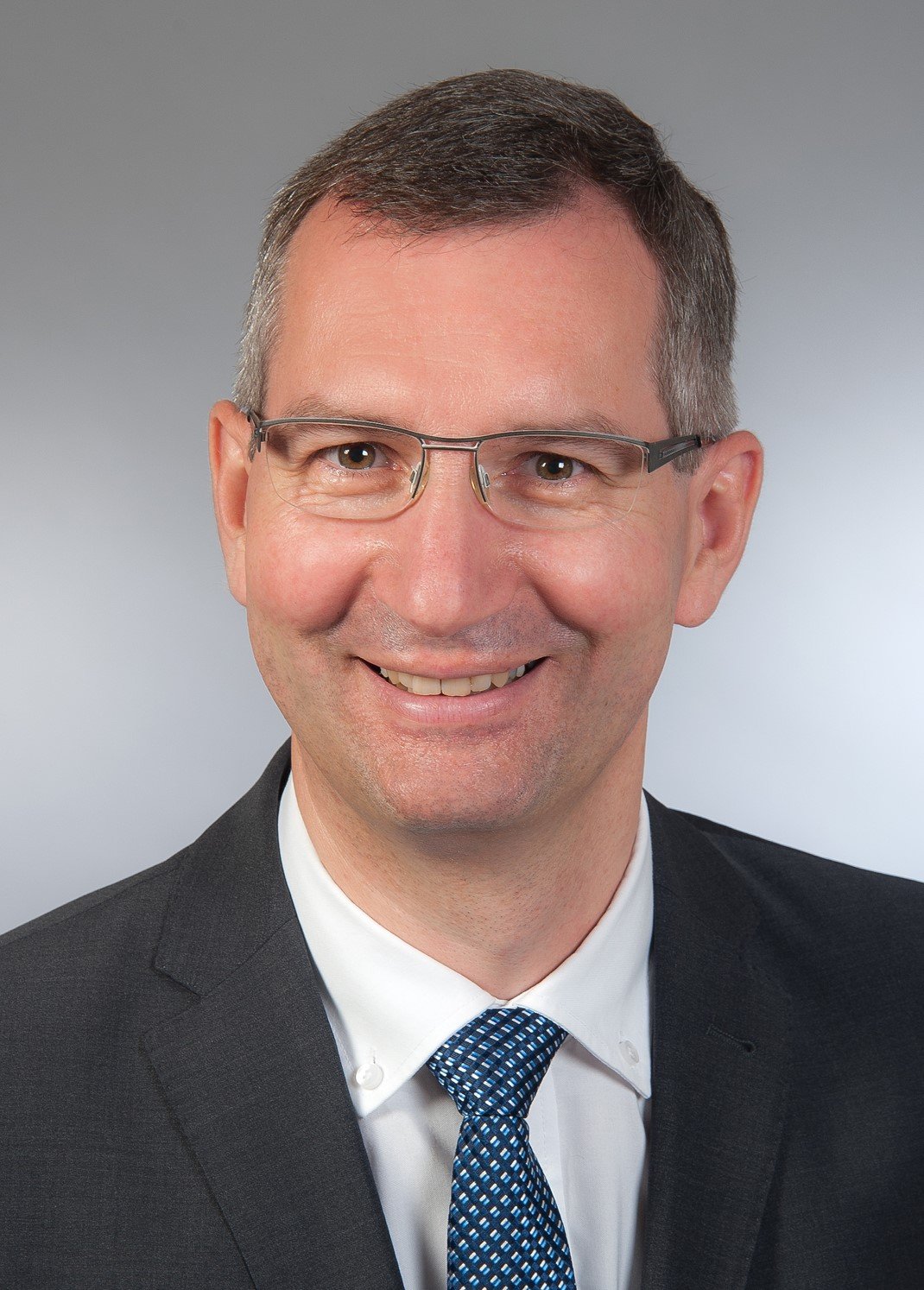
Panaelists

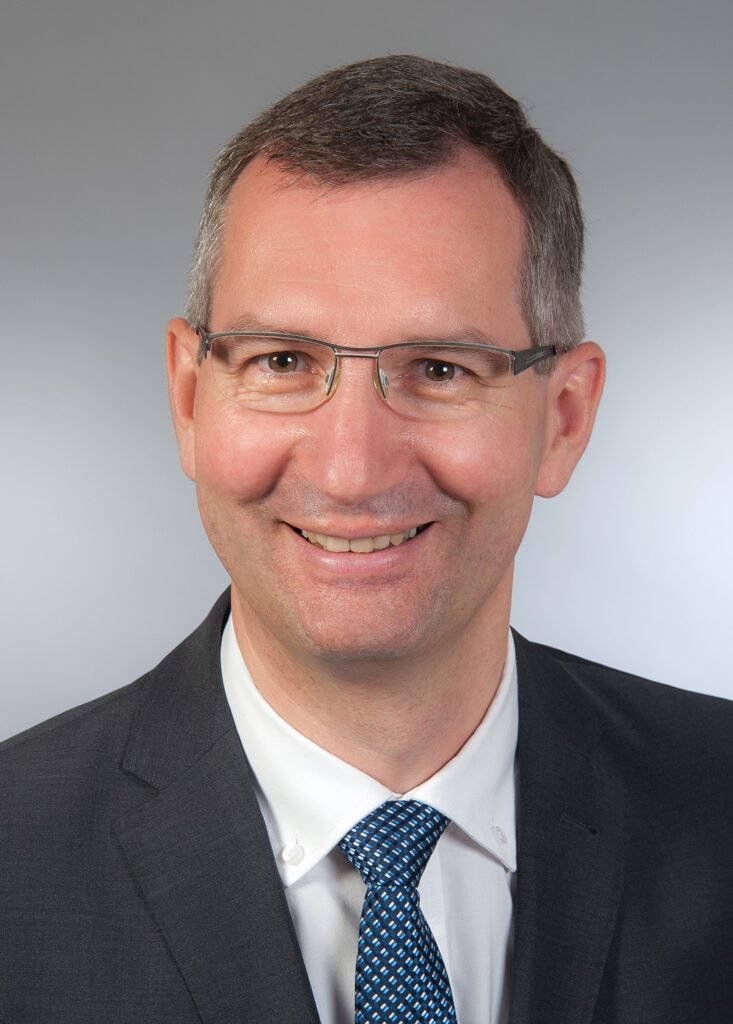
Mr. Bernhard Fabianek

Senior Expert for the Western Balkans in the Research and Innovation Directorate-General, European Commission
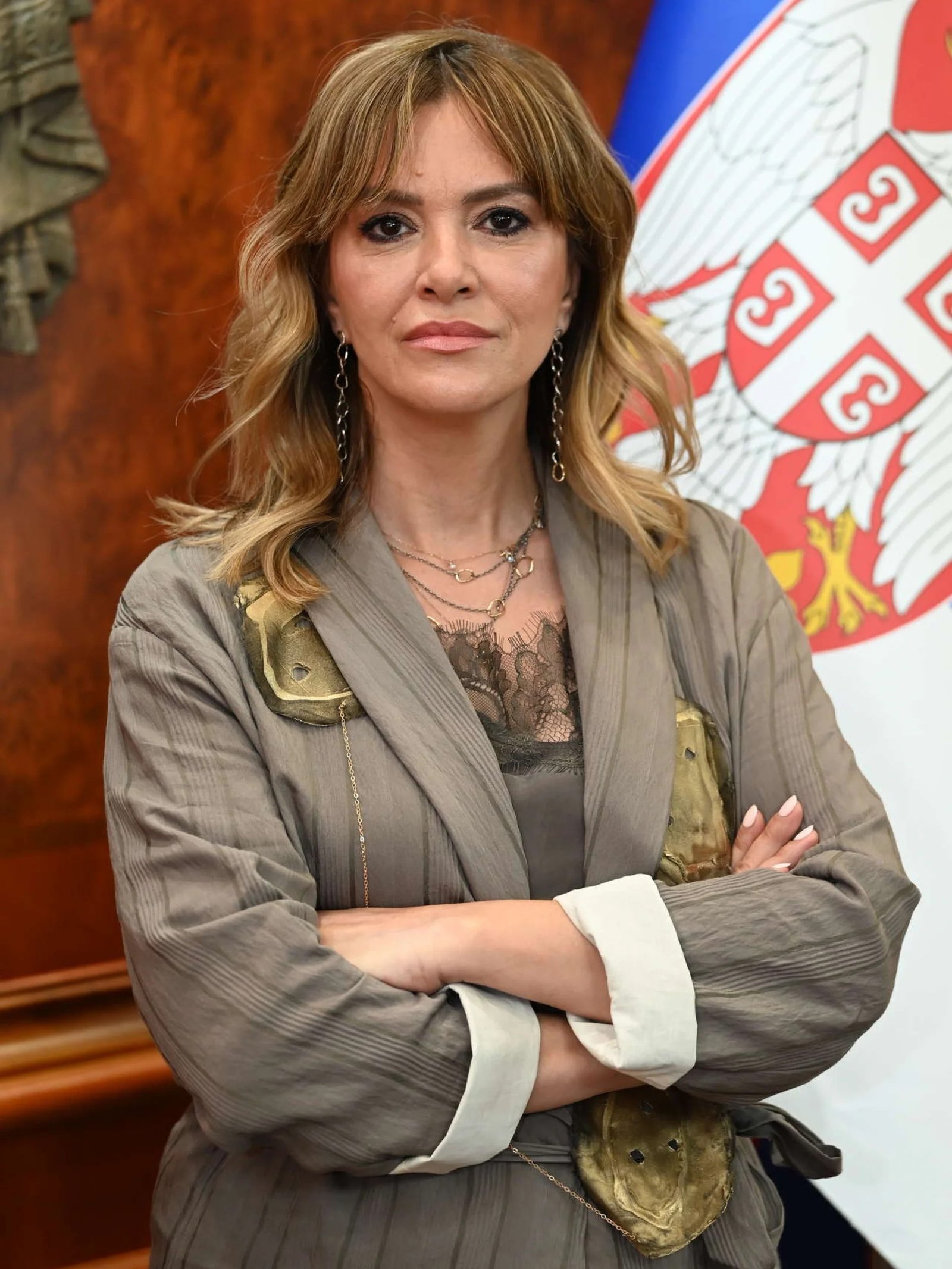
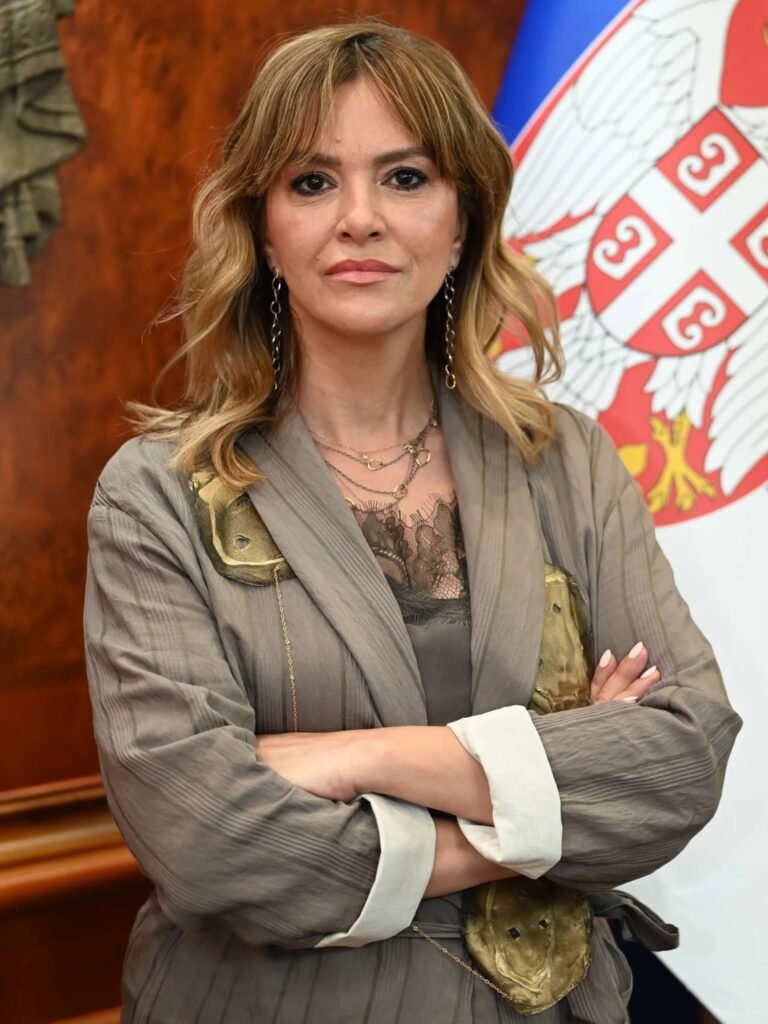
Ms. Aleksandra Šuvaković

State Secretary at the Ministry of Science, Technological Development and Innovation
Mr. Giorgio Marinoni

Manager of Higher Education and Internationalization, IAU
Mr. Siniša Marčić

Senior Expert in Human Capital Development, RCC

LOUNCH, COFFEE, NETWORKING

PURPOSE:

This session will explore how international and regional partnerships help universities deliver skills, innovation and cooperation that strengthen competitiveness and employability across the region.

We will explore:

Lightning Talk:

Ms. Balzhan Orazbayeva

Strategic Initiatives Manager, UIIN
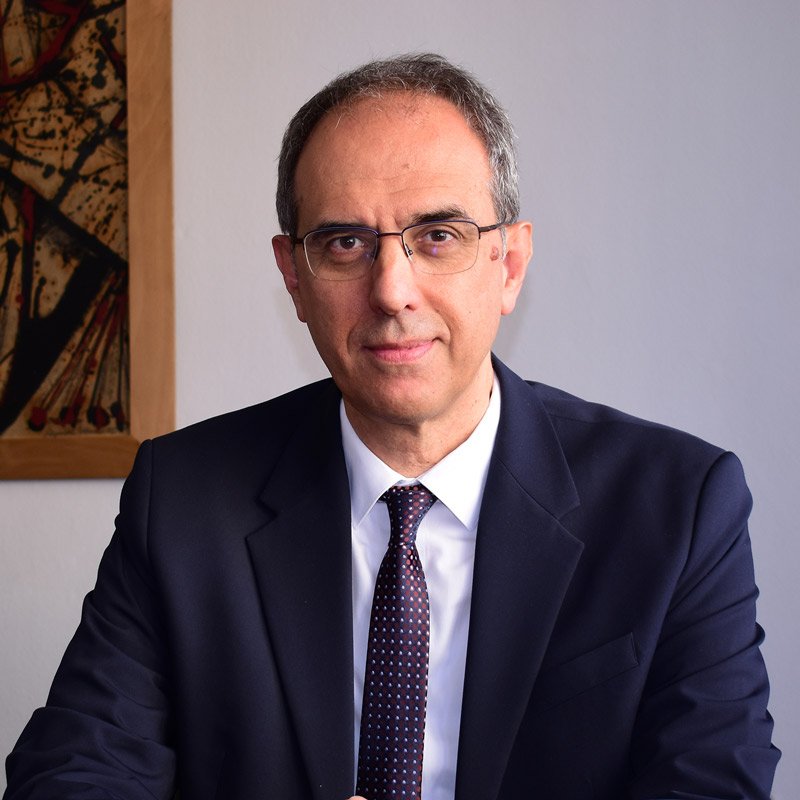
Moderator:

Mr. Zoran Jovanovski

Advisor to the President of the Economic Chamber of North Macedonia.
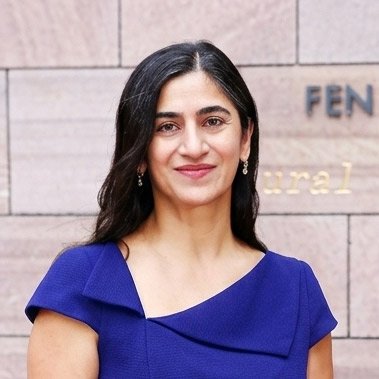
Panelists

Ms. Havva Funda Yağcı Acar

Vice President for Academic Affairs, Koç University
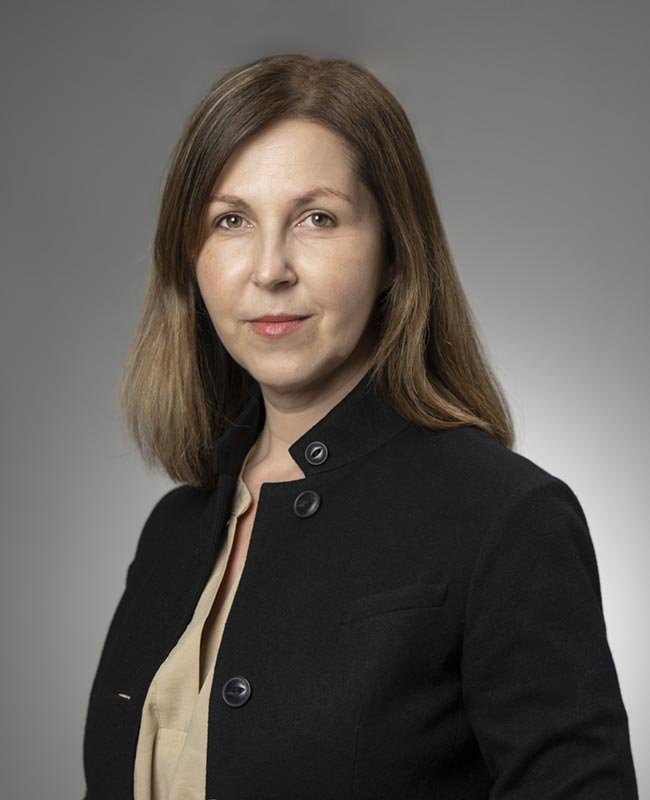
Ms. Dina Nicholas

Global Lead, Employability Advisory, IFC
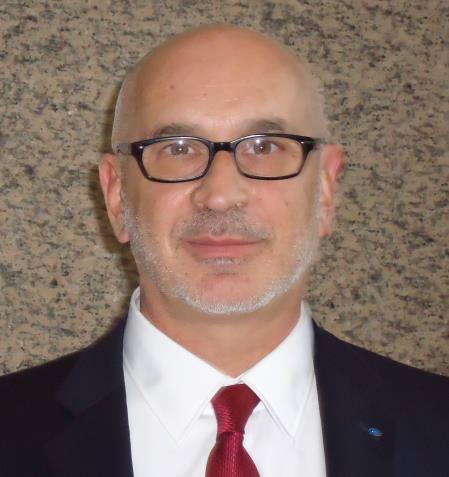
Mr. Roko Andricevic

Professor, University of Split, Faculty of Civil Engineering, Architecture and Geodesy
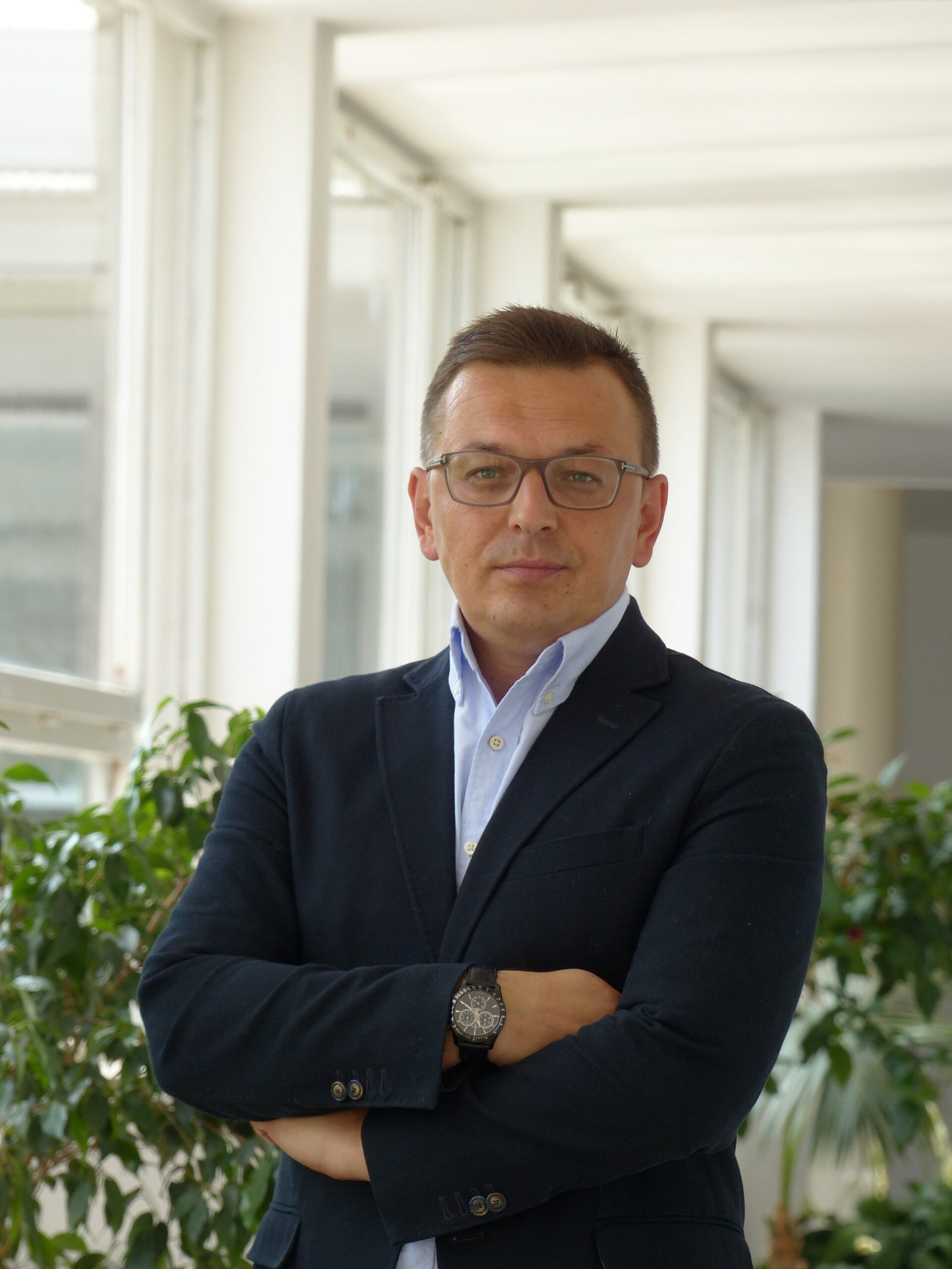
Mr. Eldin Mehic

Professor, University of Sarajevo, School of Economics and Business

PURPOSE:

This session will examine how quality assurance, governance cooperation, and recognition frameworks help translate internationalisation and partnerships into practical cooperation, mobility, and stronger institutional performance across higher education systems. 

We will explore:

Lightning Talk:

Ms. Roberta Malee Bassett

Global Lead at Tertiary Education, Senior Education Specialist at the World Bank

Moderator:

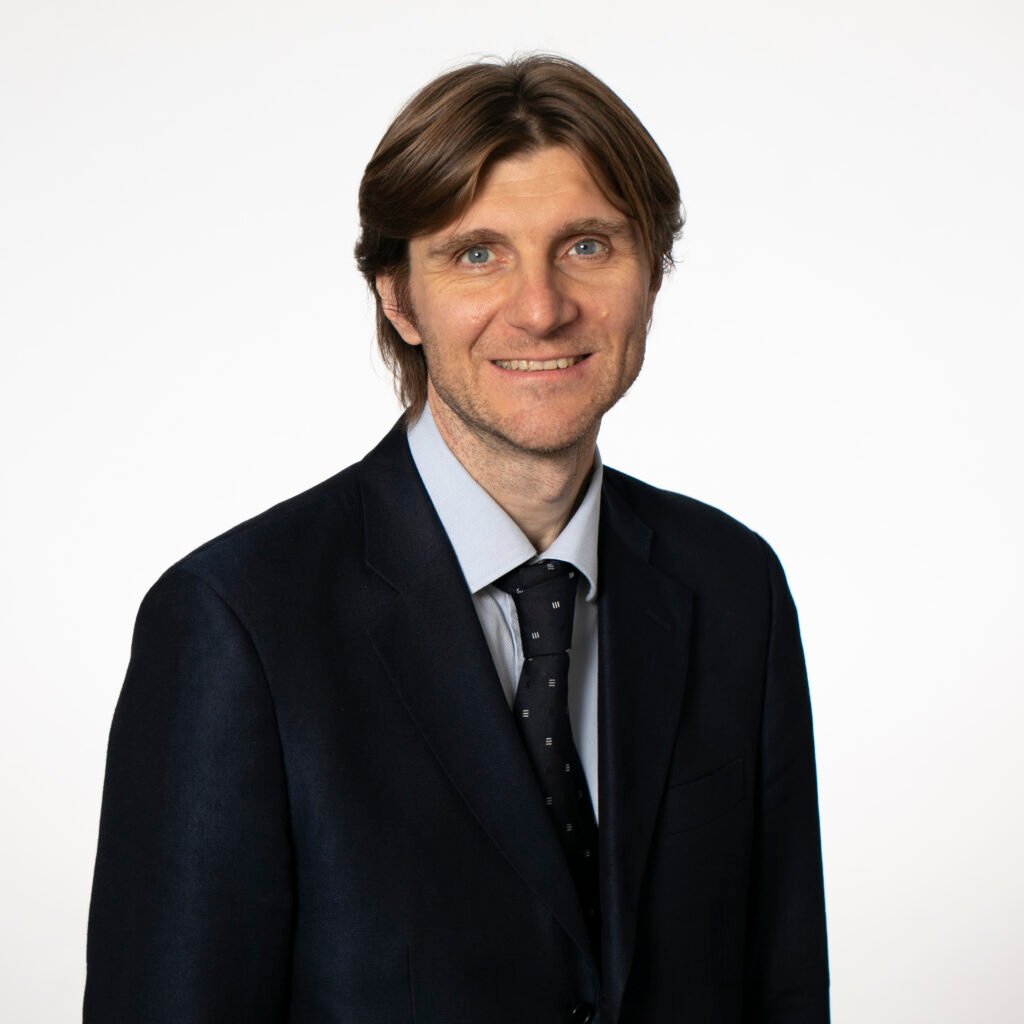
Mr. Koen Martijn Geven

Independent Higher Education Expert and Researcher

Panelists

Mr. Patrick Van den Bosch

Vice President, ENQA

Ms. Irena Petrušić

Deputy Director, Agency for Science and Higher Education (ASHE/AZVO)
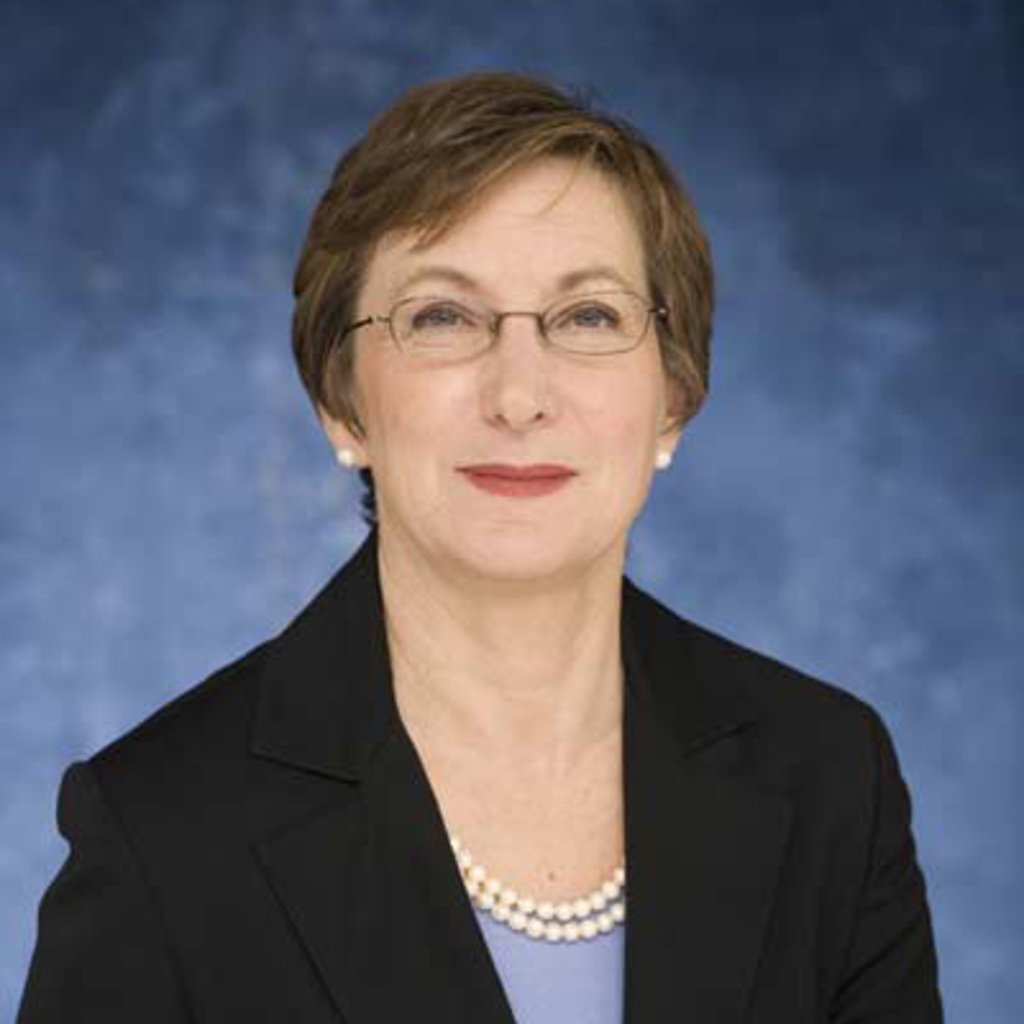
Mr. Ellen Hazelkorn

Professor Emeritus, Technological University Dublin
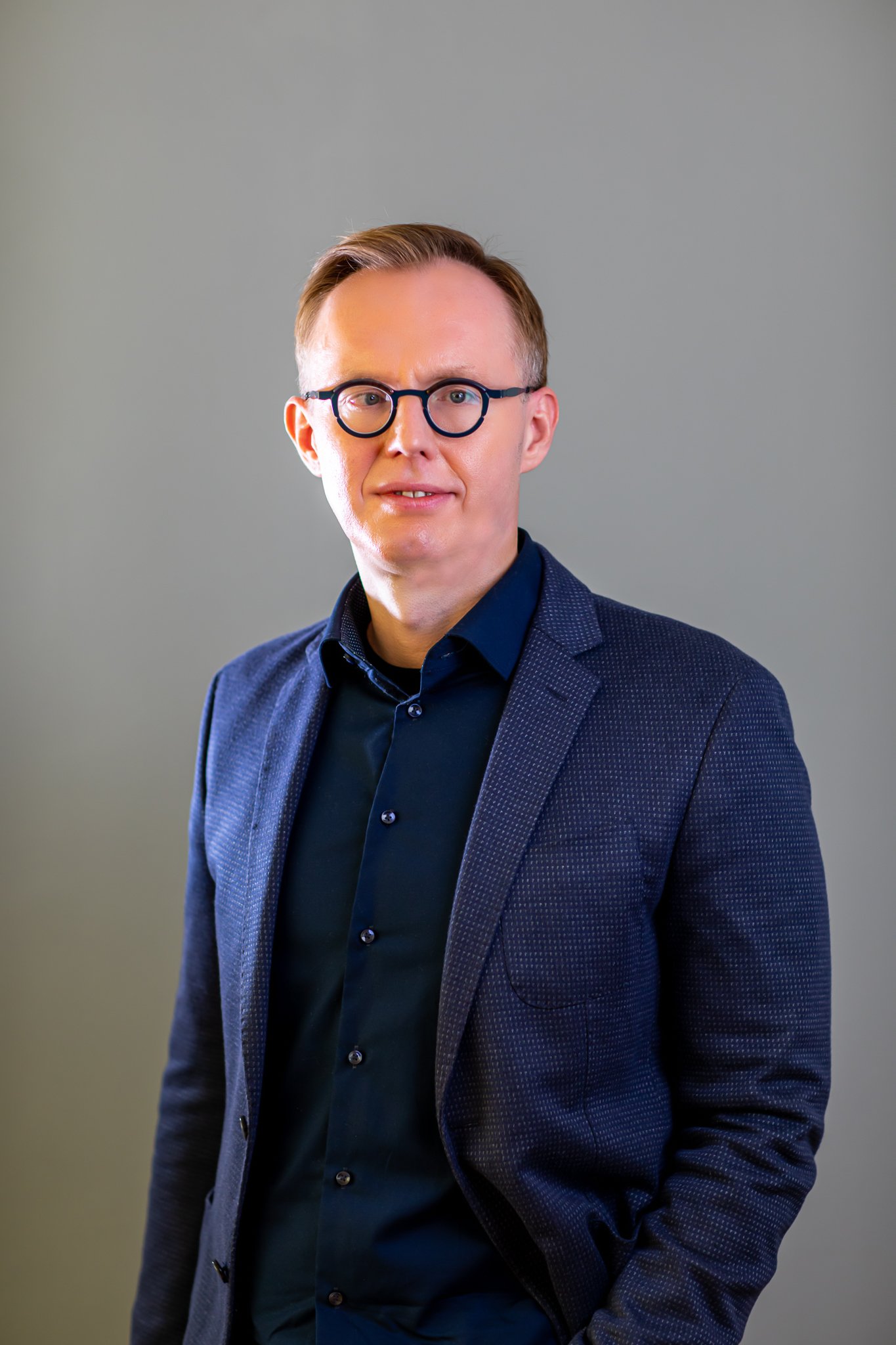
Mr. Ninoslav Scukanec Schmidt

Executive Director of the Institute for the Development of Education

16:00 – 16.30  WRAP UP DAY 1

08:30 – 09:00  REGISTRATION & WELCOME COFFEE

WELCOME

This plenary session will briefly recap the key policy messages emerging from Day 1 and set the tone for Day 2 by clarifying the objectives of the parallel Labs. It will outline the expected outputs from each Lab and guide participants toward the respective working sessions, ensuring a shared understanding of priorities and a coordinated start to the day’s practical discussions.

Master of ceremony

Filip Kochan

Senior External Affairs Officer, External and Corporate Relations
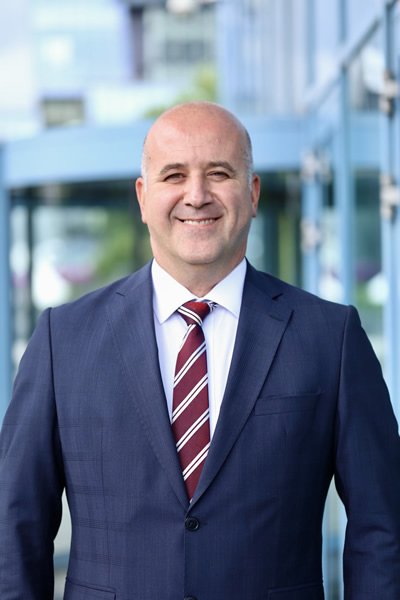
Short introduction to the LABs:

Mr. Umut Ergezer

Deputy Secretary-General, RCC
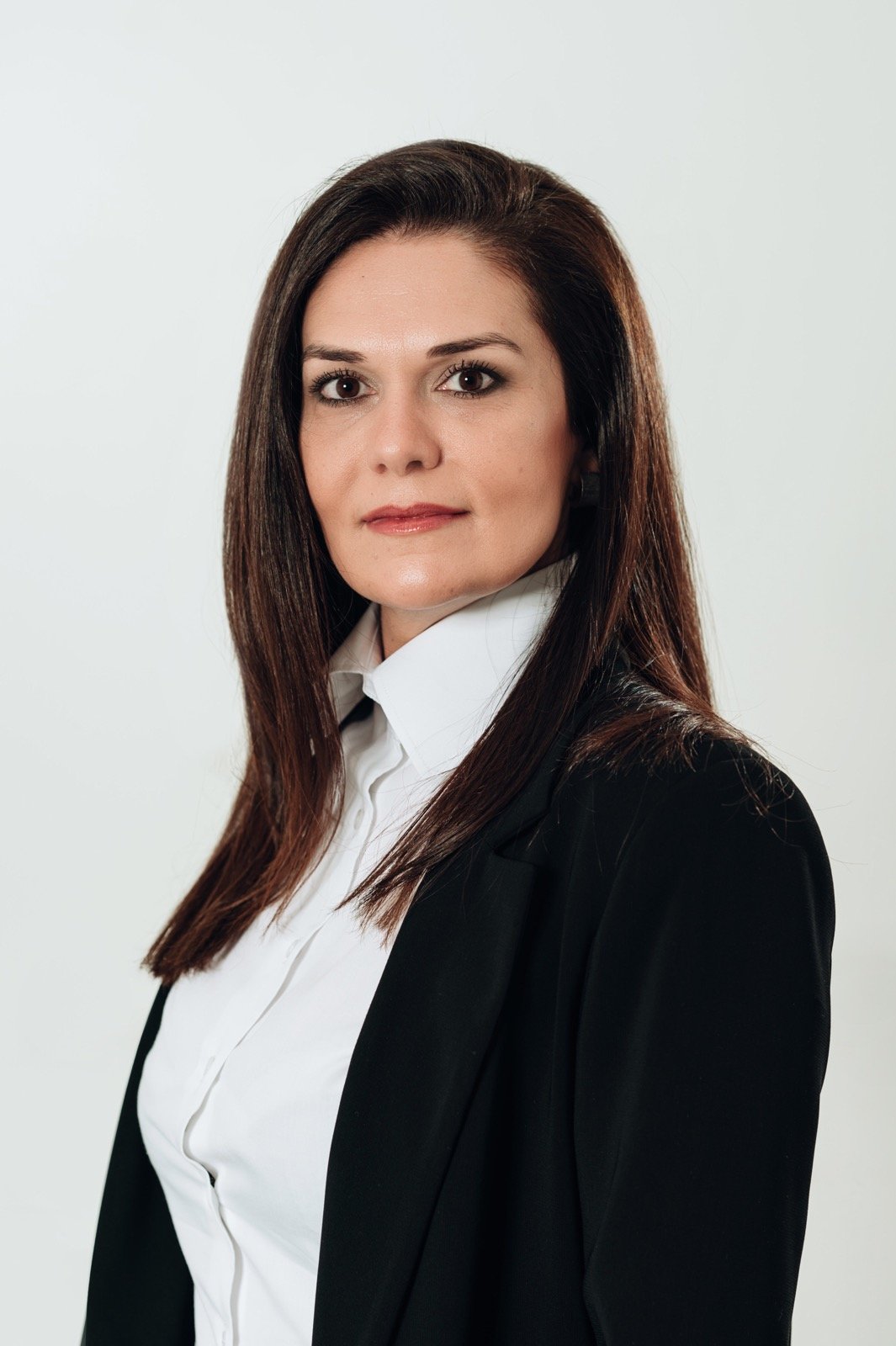
Ms. Hristina Serafimovska

Director, Agency for Quality in Higher Education (AKVO)

Strengthening Governance and Quality Systems for Regional Cooperation

Purpose:

Building on the governance, financing and quality discussions, this Lab will allow participants to work in small groups on practical ways to strengthen national governance and quality assurance systems while supporting regional cooperation and internationalisation. The Lab will focus on translating policy concepts into actionable steps that improve institutional performance and cross-border cooperation.

It will explore:

Session facilitator:

Mr. Koen Martijn Geven

Independent Higher Education Expert and Researcher
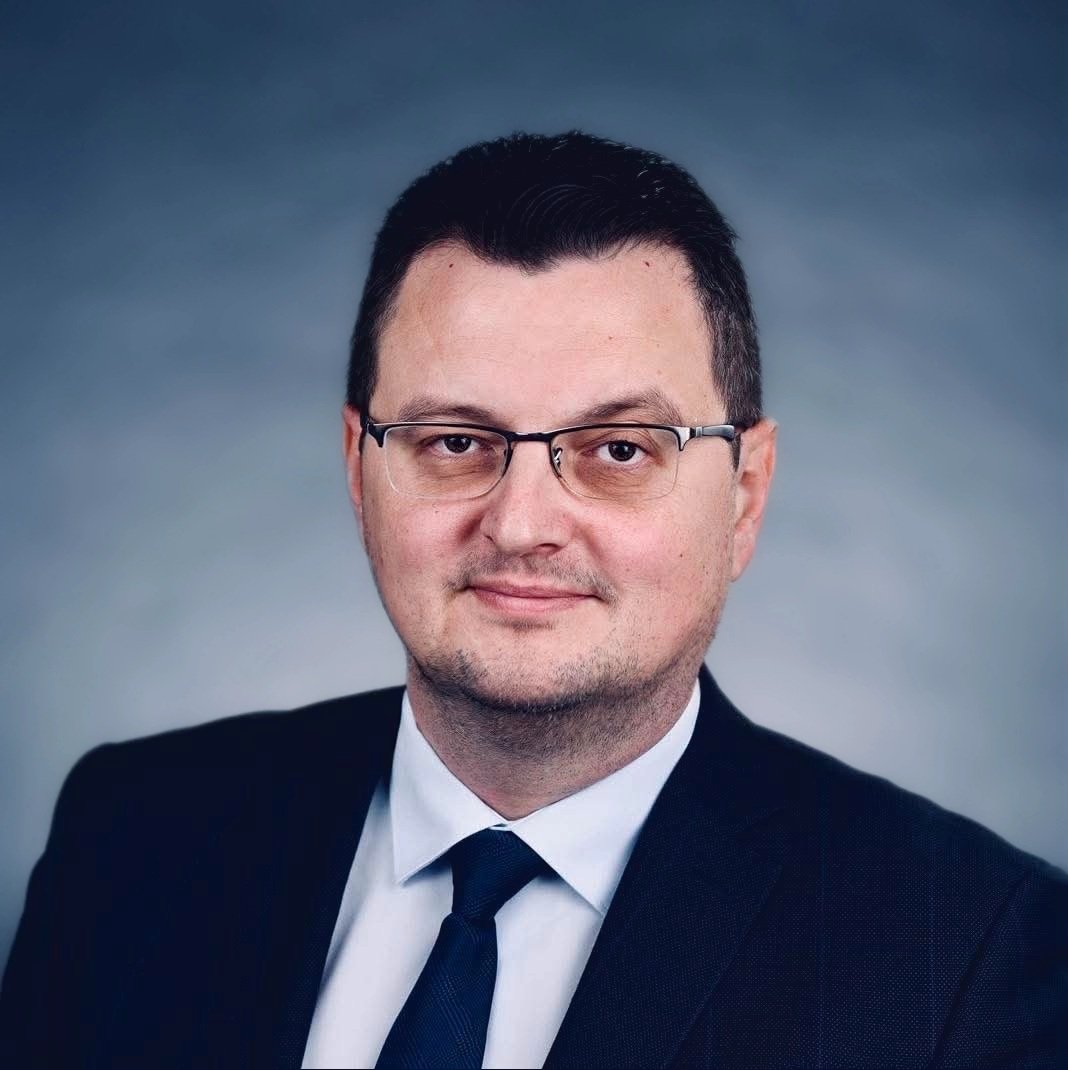
Fireside chat:

Mr. Nikolche Jankulovski

Deputy Minister of Finance, National Coordinator for the implementation of the SEE 2030 Strategy
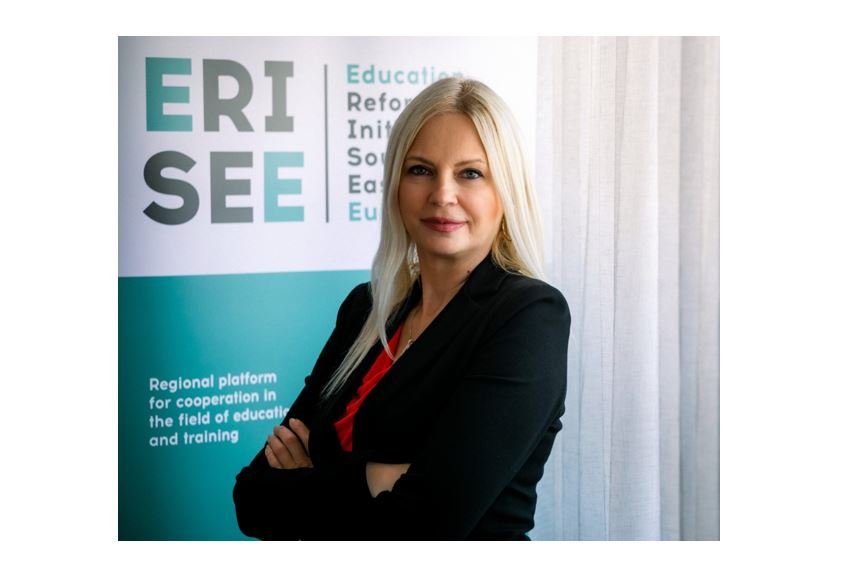
Ms. Sandra Brkanović

Director, ERI SEE

Mr. Patrick Van den Bosch

Vice President, ENQA

Ms. Irena Petrušić

Deputy Director, Agency for Science and Higher Education (ASHE/AZVO)
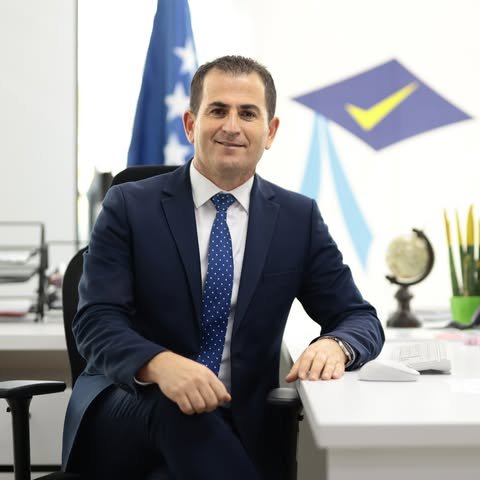
Mr. Naim Gashi

Director General of the KAA

Youth on the Move — STEM, Innovation and Skills for the Future

Purpose:

Building on discussions on university–industry cooperation and innovation partnerships, this Lab will enable participants to explore how Centres of Excellence, innovation hubs and regional partnerships can strengthen STEM and digital skills development, improve employability, and create mobility opportunities for young people across the region.

It will explore:

Session facilitator:

Ms. Roberta Male Bassett

Global Lead at Tertiary Education, Senior Education Specialist at the World Bank
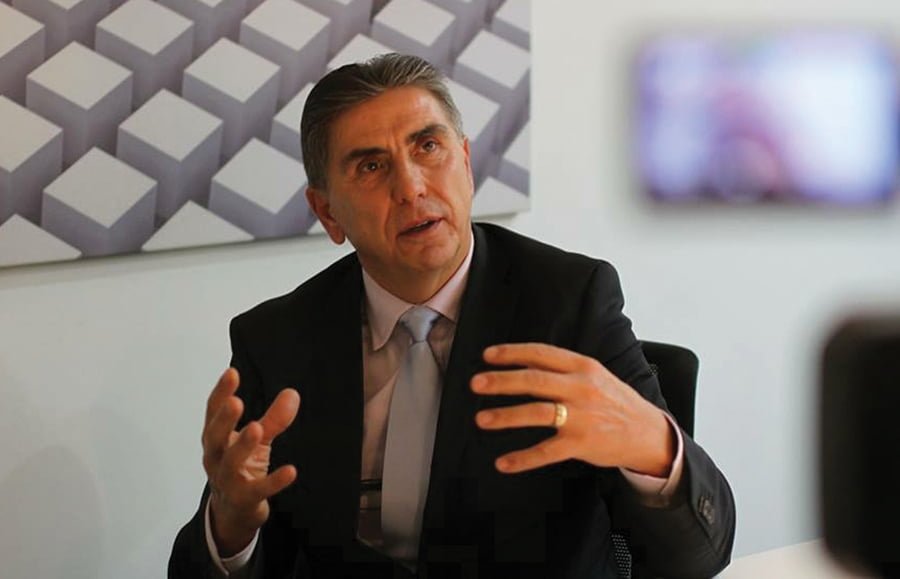
Fireside chat:

Mr. Professor Abdylmenaf Bexheti

Professor of Economics and former Rector of SEEU
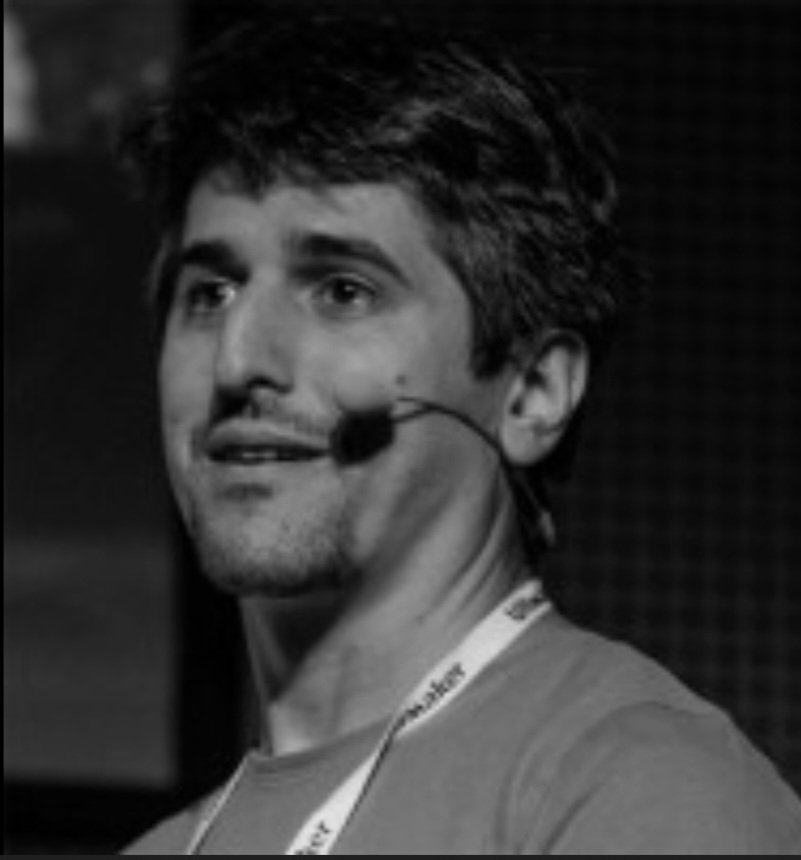
Mr. Delcho Delchev

Deputy Director, National STEM Center, Sofia
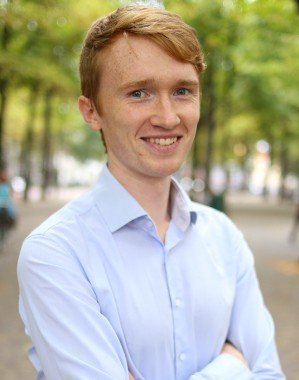
Mr. Matthew Coates

EU STEM Coalition

Ms. Balzhan Orazbayeva

Strategic Initiatives Manager, UIIN

Ms. Dina Nicholas

Global Lead, Employability Advisory, IFC

Mr. Sinisa Marcic

Senior Expert in Human Capital Development, RCC
Attracting Health Professionals for the Care Economy

Purpose:

The Lab on attracting health professionals and ensuring brain circulation will allow participants to discuss in small groups regional mutual recognition, workforce planning, and mobility incentives.

The Lab will explore themes such as:

Session facilitator:

Ms. Tatiana Paduraru

Director of the Secretariat, SEEHN
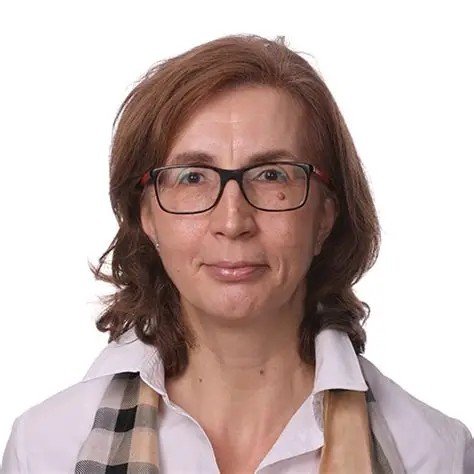
Fireside chat:

Ms. Fatime Arënliu Qosaj

Public Health Policy Expert, AAB College
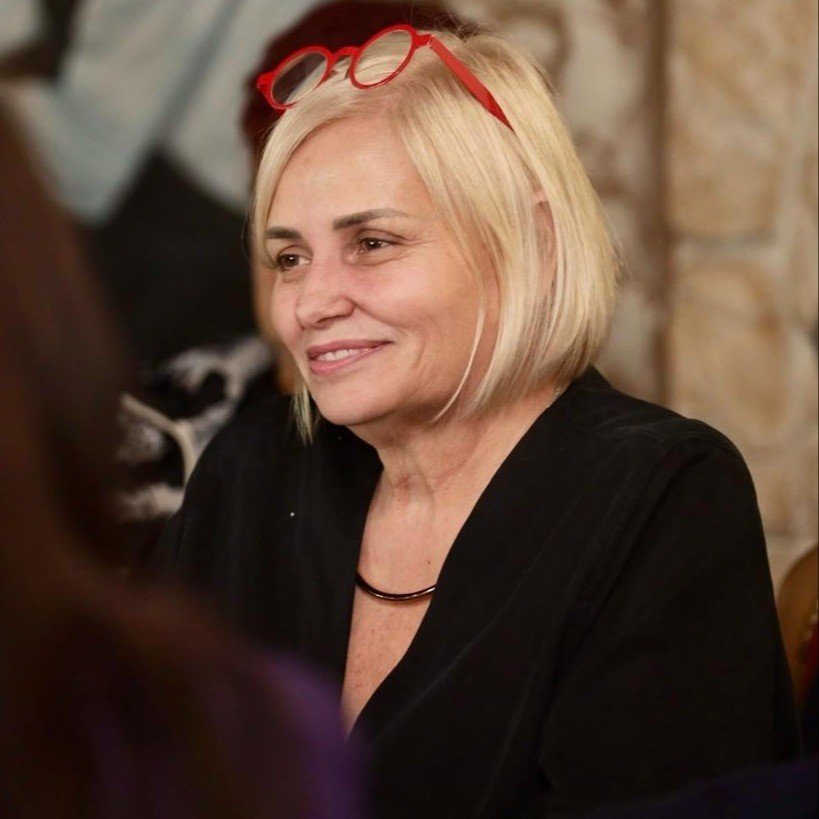
Ms. Milva Ekonomi

Chair of the Economic, Employment and Finance Commission

Ms. Ulpiana Lama

Expert in Human Capital Development, RCC
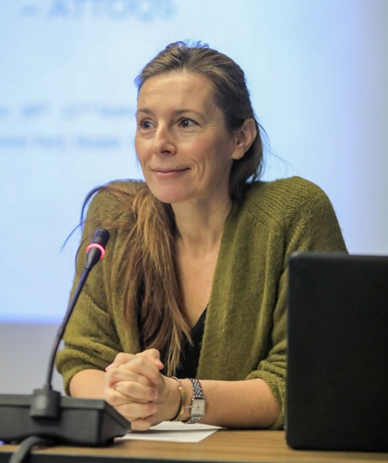
Ms. Tina Šarić

Independent Consultant

Ms. Sulakshana Nandi

Technical Officer on Human Resources for Health, WHO Regional Office for Europe
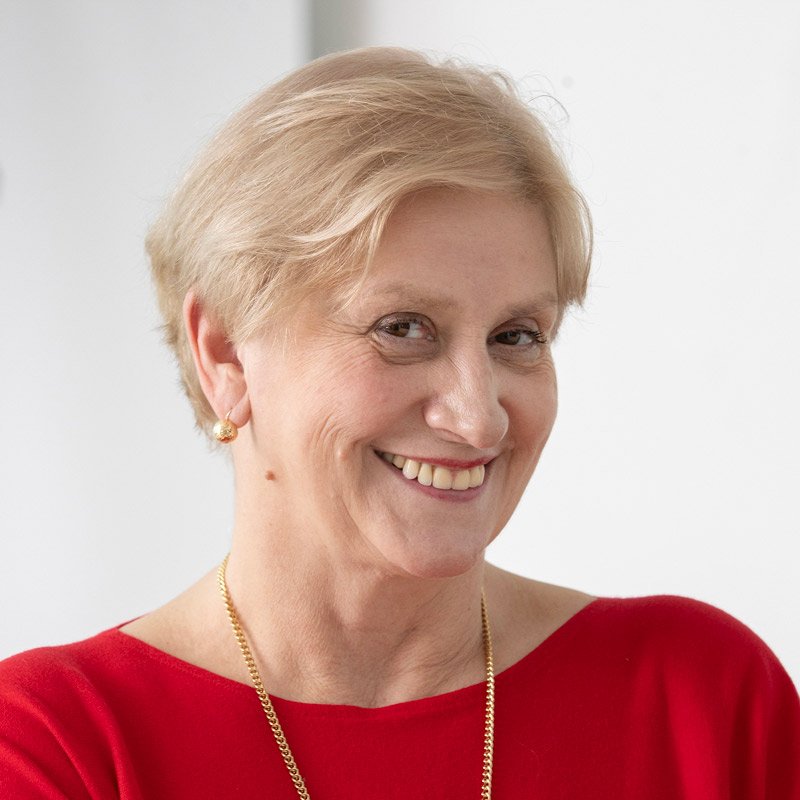
Ms. Danica Ramljak

Senior Science and Innovation Expert

COFFEE, NETWORKING

Mr. Umut Ergezer

Deputy Secretary-General, RCC
Ms. Rita Almeida

Education and Skills Practice Manager for Europe and Central Asia, World Bank

Ms. Vesna Janevska

Minister of Education and Science, Skopje

13:00 – 14.30  LUNCH

Panelists Bios

Ms. Vesna Janevska

Minister of Education and Science, Skopje

Ms. Danica Ramljak

Senior Science and Innovation Expert

Mr. Jamil Salmi

Global Leader in Higher Education

Mr. Patrick Van den Bosch

Vice President, ENQA

Mr. Ninoslav Scukanec Schmidt

Executive Director of the Institute for the Development of Education

Ms. Roberta Malee Bassett

Global Lead at Tertiary Education, Senior Education Specialist at the World Bank

Ms. Dina Nicholas

Global Lead, Employability Advisory, IFC

Mr. Gregor Majdič

Rector, University of Ljubljana

Ms. Irena Petrušić

Deputy Director, Agency for Science and Higher Education (ASHE/AZVO)

Mr. Roko Andricevic

Professor, University of Split, Faculty of Civil Engineering, Architecture and Geodesy

Mr. Koen Martijn Geven

Independent Higher Education Expert and Researcher

Ms. Balzhan Orazbayeva

Strategic Initiatives Manager, UIIN

Ms. Havva Funda Yağcı Acar

Vice President for Academic Affairs, Koç University

Mr. Bernhard Fabianek

Senior Expert for the Western Balkans in the Research and Innovation Directorate-General, European Commission

Ms. Tatiana Paduraru

Director of the Secretariat, SEEHN

Mr. Umut Ergezer

Deputy Secretary-General, RCC

Mr. Amer Kapetanović

Secretary General, RCC

Mr. Naim Gashi

Director General of the KAA

Ms. Sandra Brkanović

Director, ERI SEE

Ms. Tina Šarić

Independent Consultant

Ms. Milva Ekonomi

Chair of the Economic, Employment and Finance Commission

Mr. Siniša Marčić

Senior Expert in Human Capital Development, RCC

Mr. Ellen Hazelkorn

Professor Emeritus, Technological University Dublin

Ms. Ulpiana Lama

Expert in Human Capital Development, RCC

Mr. Zoran Jovanovski

Advisor to the President of the Economic Chamber of North Macedonia.

Ms. Xiaoqing Yu

Division Director for the Western Balkans, Europe and Central Asia, World Bank

Filip Kochan

Senior External Affairs Officer, External and Corporate Relations

Mr. Slavko Gaber

Associate professor, University of Ljubljana
Former Minister of Education

Mr. Hajrulla Çeku

Minister of Education, Science and Technology, Pristina

Mr. Dragan Marković

State Secretary, Ministry of Education, Podgorica

Mr. Aleksandar Jović

Assistant Minister, Ministry of Education, Belgrade

Mr. Giorgio Marinoni

Manager of Higher Education and Internationalization, IAU

Mr. Eldin Mehic

Professor, University of Sarajevo, School of Economics and Business

Ms. Hristina Serafimovska

Director, Agency for Quality in Higher Education (AKVO)

Mr. Nikolche Jankulovski

Deputy Minister of Finance, National Coordinator for the implementation of the SEE 2030 Strategy

Ms. Sulakshana Nandi

Technical Officer on Human Resources for Health, WHO Regional Office for Europe

Ms. Rita Almeida

Education and Skills Practice Manager for Europe and Central Asia, World Bank

Ms. Aleksandra Šuvaković

State Secretary at the Ministry of Science, Technological Development and Innovation

Mr. Professor Abdylmenaf Bexheti

Professor of Economics and former Rector of SEEU

Mr. Delcho Delchev

Deputy Director, National STEM Center, Sofia

Ms. Fatime Arënliu Qosaj

Public Health Policy Expert, AAB College
Mr. Filip Kochan

Senior External Affairs Officer, External and Corporate Relations, World Bank
Filip Kochan is a Senior External Affairs Officer leading external affairs and communications of the World Bank for the Western Balkans, a position he took up in June 2023. He is also supporting the Bank’s institutional relationships with the Austrian government. Prior to his current role, Filip Kochan was an External Affairs Officer at the World Bank overseeing Poland and the Baltic Countries. Before joining the World Bank in 2015, he worked at an investor relations advisory firm in Warsaw, and he was a financial correspondent for Reuters. Filip Kochan holds an MSc in Sociology and an MSc in Political Science from the University of Warsaw, where he also studied economics.

Ms. Vesna Janevska

Minister of Education and Science, Skopje

Vesna Janevska has been serving as Minister of Education and Science since June 2024. She graduated from the Faculty of Medicine at the University “St. Cyril and Methodius” in Skopje, where she obtained her qualifications as a medical doctor, specialist in pathology, and PhD. She is a full professor and specialist pathologist at the Institute of Pathology, Faculty of Medicine in Skopje, where she has been working since 2011, including serving as Quality Manager of the Institute (2011–2020).

Her professional experience spans both academia and public service, including roles as associate professor and specialist pathologist, as well as Head of the Department of Pathology. She has also served as a Member of Parliament (2006–2008).

With a long-standing career in medical education and institutional development, her work combines clinical expertise, academic leadership, and experience in quality assurance systems.

Mr. Amer Kapetanović

Secretary General, RCC

Amer Kapetanović took office as Secretary General of the Regional Cooperation Council (RCC) on 1 January 2025. He is an accomplished diplomat with over two decades of experience in international relations and regional cooperation. He has been instrumental in advancing political dialogue, security, and economic diplomacy in the Western Balkans and South East Europe (SEE). During his tenure as Head of the Political Department at the RCC, he oversaw key initiatives related to justice, home affairs, and security.

Before joining the RCC, Mr Kapetanović held prominent roles in Bosnia and Herzegovina’s Ministry of Foreign Affairs. As Assistant Minister for Bilateral Affairs and Economic Diplomacy (2012–2017), he directed the operations of over 40 embassies and supervised economic diplomacy efforts. Prior to that, he served as Deputy Ambassador of Bosnia and Herzegovina to Germany (2005–2010) and Head of the EU Department (2010–2012).

Mr Kapetanović began his career in journalism before transitioning to diplomacy, where he served as spokesperson for Bosnia and Herzegovina’s Ministry of Foreign Affairs (2000–2002). His strategic vision and leadership have also been reflected in initiatives such as negotiating regional agreements on freedom of movement and serving as co-chair of the South East Europe Military Intelligence Chiefs platform.

A graduate of the University of Sarajevo in Political Science and International Relations, Mr Kapetanović has further enriched his expertise through programmes at Queen Mary University, London, and the U.S. Department of State Diplomatic Academy. He is also a prolific author and editor, contributing to works on regional security and foreign policy, including The Chronicle of a Lost Century and Solidarity Fund.

Ms. Xiaoqing Yu

Division Director for the Western Balkans, Europe and Central Asia, World Bank
Ms. Xiaoqing Yu is the World Bank’s Director for Western Balkans, based in Vienna. She is responsible for the World Bank’s overall program of support in the Western Balkans. Ms. Yu joined the World Bank in 1996. Prior to her current assignment, she has worked in various technical and managerial positions in the Bank, with her most recent assignments being the Director of Strategy and Operations for the Europe and Central Asia Region, the East Asia and Pacific Region, and the Human Development vice presidency. Ms. Yu has a PhD in Economics from Cornell University.

Mr. Jamil Salmi

Global Leader on Higher Education
Jamil Salmi, a Moroccan education economist, is a global tertiary education expert providing policy advice to governments, universities, professional associations, and development agencies, with 34 years of experience working in 110 countries around the world. Until January 2012, he was the World Bank’s tertiary education coordinator. Dr. Salmi is Emeritus Professor of higher education policy at Diego Portales University in Chile and Research Fellow at Boston College’s Center for Higher Education. In 2009, Dr. Salmi wrote the Challenge of Creating World-Class Universities, and the Road to Academic Excellence in 2011. His 2017 book focused on Tertiary Education and the Sustainable Development Goals. In 2020, he wrote a report on the impact of Covid on higher education through the equity lens for the Lumina Foundation. In 2023, he edited Transforming Lives, a book that documents innovative equity promotion initiatives at the institutional level across the world. His latest book, coedited with Phil Altbach and Maria Yudkevich and published by MIT Press, is entitled Academic Star Wars: Excellence Initiatives in Global Perspectives.

Mr. Slavko Gaber

Associate professor, University of Ljubljana
Former Minister of Education

Mr. Gaber is a Slovenian sociologist, university professor, and former politician who served multiple terms as Minister of Education and Sport of Slovenia. Mr. Gaber is an associate professor of sociology of education at the University of Ljubljana. He served as minister in several governments between 1992 and 2004, playing a key role in education reform and Slovenia’s alignment with European education frameworks. In addition to his ministerial role, he has been actively engaged in international cooperation in education policy, including work with UNESCO, the Council of Europe, and the European Union, contributing to reforms in higher education and lifelong learning. He is also known for his long-standing involvement in education governance and policy dialogue across Southeast Europe, making him a respected voice in regional cooperation and reform processes.

Mr. Hajrulla Çeku

Minister of Education, Science and Technology, Pristina
Mr. Çeku studied at the University of Pristina, majoring in Political Science, and holds a Master’s degree in Governance and Local Development from the University of Trento and the University of Regensburg. For over 15 years, he has been engaged in civil society, working on issues related to cultural heritage, tourism, urban planning, and the environment. He previously served as Minister of Culture, Youth and Sport (2021–2025) in Pristina and as Deputy Minister of Tourism and Environment (2017–2018) in Tirana. He has completed several international training programmes in cultural heritage protection, human rights, tourism management, and leadership, including in the United States, Malta, Germany, Belgium, Croatia, and France. A former Member of Parliament, he served as Chair of the Parliamentary Inquiry Committee on the privatization process, as well as a member of several parliamentary committees.

Mr. Dragan Marković

State Secretary, Ministry of Education, Podgorica
Mr. Marković studied Serbian language and literature at the Faculty of Philosophy, University of Niš, where he is currently pursuing doctoral studies in philology. He has built his career in education, working as a teacher and later as Director of the “Kekec” Elementary School in Sutomore. He is a certified trainer with the Institute of Education and other institutions, with extensive experience in teacher training and professional development. His work has focused on strengthening critical thinking and problem-solving skills, curriculum planning, and supporting both gifted students and students from vulnerable communities. He is also the author of several training programmes for teachers.

Mr. Aleksandar Jović

Assistant Minister, Ministry of Education, Belgrade

Mr. Jović is an academic and public official serving as Assistant Minister in charge of higher education within the Ministry of Education, Science and Innovation.

He holds a PhD in physical chemistry from the University of Belgrade and has built an academic career focused on environmentally oriented materials and chemical processes. Prior to entering public service, he worked as a teaching assistant, researcher, and later assistant professor in physical chemistry. He has been actively involved in higher education policy and reform, including work with accreditation and quality assurance bodies, as well as participation in international cooperation and European integration processes. Since 2020, he has held several roles within the Ministry, with a focus on higher education and international collaboration.
In addition to his administrative responsibilities, he is the co-author of scientific papers, a university textbook, and publications on doctoral studies and higher education reform.

Mr. Gregor Majdič

Rector, University of Ljubljana

Prof. Dr Gregor Majdič is Full Professor of Physiology at the Veterinary Faculty, University of Ljubljana, and Full Professor of Physiology at the Faculty of Medicine in Maribor. He graduated from the Veterinary Faculty at the University of Ljubljana in 1992, where he also obtained his master’s degree in 1994. He received his PhD from the School of Medicine at the University of Edinburgh, Scotland in 1996. He then worked abroad for another three years as a postdoctoral fellow at the University of Texas, Southwestern Medical Center in Dallas, Texas, USA. He was the vice-dean of the Veterinary Faculty at the University of Ljubljana from 2013 to 2021, and has been leading his research group since 2002. The main topics of his research are the differences in the brain between the sexes and the biological sex differences in other parts of the body, the long-term effects of stress on the brain and health, and the possible effects of endocrine disruptors on health. Another area of interest is stem cell research and regenerative medicine, particularly with the possibility of its application to treatment in animals, which he has been very successful in translating into the clinical practise of veterinary medicine. In 2011, for a method of treating dogs and horses with stem cells, Dr. Majdič and his colleagues received the Rector’s Award for the best innovation at the University of Ljubljana and the award for the best innovation in the public sector in Slovenia. To commercialise this innovation, he founded the spin-out company Animacel, which already offers stem cell treatments in four EU countries (Slovenia, Croatia, Austria, Germany) and the UK, and was ranked as one of the five most promising new Slovenian companies in 2012. As part of this research, he and his colleagues are also studying cognitive decline in dogs, a disease very similar to Alzheimer’s disease, about which very little is known.

He has published more than 100 scientific articles in peer-reviewed international journals, and his articles have been cited more than 2,500 times. He has held several national and international projects, and together with Dr. Stuart Tobet from Colorado State University in Colorado, he was co-leader of two National Institute of Health (NIH) projects.

Mr. Bernhard Fabianek

Senior Expert for the Western Balkans in the Research and Innovation Directorate-General, European Commission

Bernhard Fabianek joined the European Commission in 1996. At the Information Society and Media Directorate-General he worked in the areas of photonic technologies, high-speed networking, GÉANT and e-Infrastructures. His responsibilities included the supervision of industrial research on IPv6, the coordination of support to the GÉANT communication infrastructure fostering the establishment of the world leading European research network and its global partners. The Global Virtual Research Communities concept was developed and implemented under his leadership. He was responsible for the area of High Performance Computing – the PRACE initiative – facilitating the creation of a pan-European high performance computing infrastructure. He has been the principal author of the Communication to the Council and European Parliament “High-Performance Computing: Europe’s place in a global race” (COM(2012) 45). Since 2012 he is with the Research and Innovation Directorate-General of the European Commission. He coordinated the developments in the area of Physical Sciences and Engineering. His excellent relations with stakeholders around the globe enabled him to develop Science Diplomacy efforts such as the synchrotron facility SESAME in the Middle-East. In the Directorate for International Cooperation he was responsible for relations with the Enlargement Countries. Since 2020 he is Senior Expert for the Western Balkans in the Research and Innovation Directorate-General of the European Commission. He coordinates the ‘Western Balkans Agenda on Innovation, Research, Education, Culture, Youth and Sport’ – the innovation component of the Economic and Investment Plan for the Western Balkans.

Ms. Aleksandra Šuvaković

State Secretary at the Ministry of Science, Technological Development and Innovation

Prof. Dr Aleksandra Šuvaković is an Associate Professor at the Faculty of Philology and Arts, University of Kragujevac, specializing in applied linguistics. She completed her undergraduate, master’s, and doctoral studies at the Faculty of Philology in Belgrade, with a doctoral dissertation on teaching Italian as a second foreign language at an early age. She has published extensively in scholarly journals and conference proceedings and has participated in numerous academic conferences. She has contributed to national and international research projects and previously served as State Secretary in the Ministry of Education. She speaks Italian, French, and English.

Mr. Giorgio Marinoni

Manager of Higher Education and Internationalization, IAU
Giorgio Marinoni has been Manager of Higher Education and Internationalization at the International Association of Universities (IAU), since February 2015. He oversees Internationalization as one of the four strategic priorities of the Association. Among his responsibilities at IAU are research projects, advisory services and external representation of the Association for what concerns internationalization. He is the coordination of the IAU Global Surveys on Internationalization, of the HEIAS programme of advisory services for advancing internationalization and of the Network of International Education Associations, NIEA, a global network of non-profit, non-government associations whose main stated purpose is to advance international higher education. He is also the vice-chair of the European Network on International Student Mobility (ENIS): Connecting Research and Practice. Before his current position at IAU, Giorgio Marinoni worked for UNICA, the Network of Universities from the Capitals of Europe, in the field of internationalization and higher education policy and reform at the European level and beyond. He has been an active member of the Erasmus Student Network (ESN) at local, national and international level, and served the ESN as its President in 2007 – 2008.

Mr. Siniša Marčić

Senior Expert in Human Capital Development, RCC
Sinisa Marcic is a Senior Expert in Human Capital Development. Currently, he serves at the Regional Cooperation Council, an intergovernmental organisation covering Southeast Europe, headquartered in Sarajevo. Over the last several years, his focus has been on supporting the development of a regional innovation ecosystem through various initiatives. Alongside research and academic experience from Australia and Europe, he also worked in the Western Balkans. In his previous role, he was a senior policy maker (Assistant Minister) responsible for shaping policies and fostering international collaboration in science, innovation, and higher education. Siniša holds a PhD degree in International Politics from the University of New South Wales, Australia.

Ms. Balzhan Orazbayeva

Strategic Initiatives Manager, UIIN
Dr. Balzhan Orazbayeva works at the intersection of research and practice to unlock the societal impact of universities and innovative organisations across the globe. She holds a PhD focused on university–business collaboration, which underpins her work on strengthening partnerships between universities, industry, and society. As Strategic Initiatives Manager at UIIN, she leads the organisation’s research activities and designs training and consultancy programmes that support universities in becoming more engaged, entrepreneurial, and connected to industry, government, and society. Her work focuses on university–business collaboration, valorisation, and the evolving role of universities within innovation ecosystems. Balzhan translates research insights into practical tools, programmes, and partnerships that support universities worldwide. She leads UIIN’s Pathway to Impact Institutional Program and the UIIN Business Group, bringing universities and companies together to strengthen collaboration and drive impact. In addition, she co-edits The Future of Universities book series and contributes to international discussions on the future of higher education and innovation-driven universities.

Zoran Jovanovski

Advisor to the President of the Economic Chamber, North Macedonia.
He has earned his M.A. degree in Business Economics from the University of Arkansas in Fayetteville, USA and has also received professional training from the IMF, INSEAD, Bank of England, etc. He had a career of 25 years in the banking industry, both with the central bank and the largest private banks in the country. He was a member of Euromoney’s global panel of experts on country risk for six years. Currently he is an independent member of the Supervisory Board of NLB Banka a.d. Skopje and co-owner of the business magazine “Ekonomija I Biznis”, the oldest business magazine in the country.

Ms. Havva Funda Yağcı Acar

Vice President for Academic Affairs, Koç University

Prof. Yagci Acar has received BS and MS degrees in Chemistry from Bogazici University and a PhD degree in Polymer Science and Engineering from the University of Southern Mississippi. She worked at General Electric Global Research Center at Niskayuna before joining Koc University in 2004. She is the founding partner of QUANTAG. She received Loreal WIS national reward in 2008 and Elginkan reward for technology in 2016. Her collaboration with OPET and Inventram was rewarded as the most successful partnership in Koc Group in 2015. She was rewarded as outstanding faculty in 2018.

Ms. Dina Nicholas

Global Lead, Employability Advisory, IFC
Dina Nicholas is the Advisory Programs Lead for the Skills Education Practice at the World Bank Group, focused on strengthening tertiary education and skills systems globally. She also leads IFC’s Vitae Employability Platform, partnering with public and private tertiary education institutions worldwide to bridge the gap between education and labor market needs. To date, the Vitae platform has supported more than 200 colleges and universities, reaching over two million students. Over the course of her IFC career, Dina has lived and worked across Africa, Europe, and Asia. She holds degrees from Boston University and INSEAD.

Mr. Roko Andričević

Professor, University of Split, Faculty of Civil Engineering, Architecture and Geodesy

Roko Andričević has been a full professor at the Faculty of Civil Engineering, Architecture, and Geodesy, University of Split, since 2001. He obtained his PhD from the Civil and Environmental Engineering Department at the University of Minnesota, USA, specialising in water resources management and environmental science. He spent two years as a visiting scientist at Stanford University and was subsequently employed as an assistant and associate professor at the Desert Research Institute, University of Nevada Systems, in Las Vegas and Reno. After returning to Croatia in 2001, he was appointed to public office as the Assistant Minister in the Ministry of Environmental Protection and Physical Planning, Republic of Croatia. From 2006 to 2008, Prof. Andričević served as Dean of the Faculty of Civil Engineering at the University of Split, and from 2008 to 2014, he held the position of Vice-Rector for Science and International Affairs at the University of Split. From 2014 to 2016, Prof. Andričević was appointed Vice-Minister of Science and Education in the Croatian Government and currently serves as the Head of the scientific centre of excellence STIM at the University of Split. Prof. Andričević’s interests lie in water resources management, environmental science, and environmental risk assessment. He has authored over 100 scientific papers published in international journals, along with a book, and is currently serving as an international expert for World Bank and EU-related projects.

Ms. Roberta Malee Bassett

Global Lead at Tertiary Education, Senior Education Specialist at the World Bank

Roberta Malee Bassett is Global Lead for Tertiary Education and Senior Education Specialist at the World Bank, providing leadership and technical expertise for projects related to post-secondary education reform initiatives around the world. Prior to joining the World Bank, Roberta held several positions in university administration, teaching, and research, at institutions in the US and UK. She is the author/editor of numerous publications on topics related to international higher education including co-authoring the 2021 World Bank policy advisory framework on tertiary education: “STEERing Tertiary Education: Toward Resilient Systems that Deliver for All.” Roberta holds a Ph.D. from the Center for International Higher Education at Boston College; M.A. in higher education administration from Stanford University; and B.A.in political science from Columbia University

Mr. Koen Geven

Independent Higher Education Expert and Researcher
Koen Geven is an independent higher education expert and researcher. He has been a member of various boards and professional organizations in the higher education sector, and regularly advises governments on higher education reforms. Formerly, he was a Senior Economist at the World Bank, where he led global analytics on higher education, as well as education investment projects in the South Asia Region. His research focuses on the dynamics between inequality, public policy, and education. Koen holds a PhD in Social and Political Science from the European University Institute.

Mr. Patrick Van den Bosch

Vice president, ENQA
Patrick Van den Bosch (1983) is head of VLUHR QA, which is the Quality Assurance Agency of the Flemish Higher Education Council, based in Brussels. Patrick obtained his master’s degree in history from KU Leuven (Belgium). He has since been active in quality assurance in higher education for 15 years. From 2008 until 2013, he was staff member Quality Assurance at the Flemish interuniversity Council (VLIR). Afterwards he worked as policy advisor quality assurance at VLUHR QA. Patrick coordinated programme reviews both in Flanders and abroad. He is also actively involved in several European quality assurance related projects. Patrick has been member of the European Association for Quality Assurance in Higher Education (ENQA) Board since 2021. Previously, he was involved in ENQA agency reviews.

Irena Petrusic, PhD

Ms. Irena Petrušić
As Deputy Director and Head of Evaluation in the Higher Education and Science Sector, Irena coordinates the implementation of external evaluation and accreditation procedures and contributes to the operational management of the Agency. Her responsibilities include oversight of evaluation processes, methodological development, and the continuous improvement of quality assurance procedures in line with the Standards and Guidelines for Quality Assurance in the European Higher Education Area (ESG). She also participates in activities related to international cooperation in quality assurance. Prior to her appointment as Deputy Director, she served as Head of the Agency’s Department for Research and Development, where she was involved in the development, implementation, and analysis of external evaluation systems for institutions in science and higher education.

Ms. Ellen Hazelkorn

Professor Emeritus, Technological University Dublin

Professor Ellen Hazelkorn is internationally recognized as an expert across further and higher education policy and system and institutional governance, leadership and management; human capital and skills development and analysis; national and institutional systems of evaluation and rankings, quality assurance and accreditation; and science and innovation policy.

She is joint managing partner BH Associates Education Consultants, and Professor Emeritus, Technological University Dublin, Ireland. She is Joint Editor of Policy Reviews in Higher Education (2018). She was Vice President, Dublin Institute of Technology (now TU Dublin) (1995-2015) – including as VP for Research and Enterprise, in which role she oversaw the Graduate Research School, the Research Support Office, and the Technology Transfer Office.

Ellen is currently a member of the Co-ordinating Council for Higher Education in Portugal, the International Panel of Experts for the “Excellence Initiative – Research University”, Poland, and the Government Steering Group for the Framework for Success and Sustainability of Scotland’s Universities. She is also a member of the Expert Panel on Further Education and Training (FET/TVET) Practitioners Staffing Structures, and the EU/UNESCO HEInnovate Expert Group (EU/OECD) (2025-).

Mr. Ninoslav Šćukanec Schmidt

Executive Director of the Institute for the Development of Education

Ninoslav Šćukanec Schmidt is the founder and Executive Director (since 1999) of the Institute for the Development of Education in Zagreb. With over two decades of experience, he has dedicated his career to shaping higher education policies across Europe and beyond. His expertise includes institutional governance, strategic management, financing, equity, inclusion, the social dimension, community engagement, and quality assurance in higher education, as well as the development of qualifications frameworks.

Ninoslav has played an influential role in the European Higher Education Area (EHEA) as co-chair of the Bologna Follow-up Group’s (BFUG) Working Group on Social Dimension from 2018 to 2024. During this time, he led two key initiatives: the adoption of the ‘Principles and Guidelines for Social Dimension’ within the 2020 Rome Ministerial Communiqué and the development of the first ‘EHEA Framework for the Social Dimension’, endorsed by the 47 EHEA member states at the 2024 Tirana Ministerial Conference.

Beyond the EHEA, Ninoslav serves as an expert for the Council of Europe, contributing to its higher education policy work and the Working Group on the Democratic Mission of Higher Education. He is also a member of the Advisory Board of the World Access to Higher Education Network (WAHEN), advising on equity and inclusion globally. He has worked as a consult with also the World Bank, European Commission and a wide range of governments and universities. His publications contribute to advancing inclusive, sustainable, and innovative higher education systems.

Mr. Umut Ergezer

Deputy Secretary-General, RCC

Currently serving as Deputy Secretary General of the Regional Cooperation Council (RCC), Dr Umut Ergezer joined the Secretariat in 2020 and led the preparation and coordination of the South East Europe (SEE) 2030 Strategy. A graduate in Political Science and Economics with a PhD in Interdisciplinary Social Sciences, he has worked for more than 20 years at several international public organizations, including the European Commission and the United Nations. Dr. Ergezer contributed to the drafting of the SEE 2020 Strategy (the regional strategy for the Western Balkans and Croatia implemented by the RCC before the adoption of SEE2030) and the Multi-Annual Action Plan for the Regional Economic Area in Western Balkans. He worked for the CEFTA Secretariat between 2011 and 2018 and served as Acting Director from September 2015 to May 2017. After his mandate at CEFTA in 2018, he worked for the UNDP as a senior expert on aid for trade in the Middle East and North Africa, during which he designed a program that leveraged trade facilitation instruments to promote economic development and job creation in MENA economies hosting refugees. During that period, he was also involved in short-term consultancy missions in the Western Balkans, Hong Kong – China, and Saudi Arabia. Before he joined the RCC Secretariat in January 2020, he worked as Director of Aid Efficiency and International Cooperation of the Economic Policy Research Foundation of Türkiye.

Ms. Hristina Serafimovska

Director, Agency for Quality in Higher Education (AKVO)
Ms. Serafimovska is Director of the Agency for Quality in Higher Education and an academic affiliated with the Faculty of Tourism and Business Logistics at Goce Delčev University where she worked as an assistant professor. Her professional and research background focuses on entrepreneurship, higher education management, and the link between education systems and innovation, including the role of skills development in supporting economic growth. She has contributed to academic research and publications in areas related to entrepreneurial education, innovation, and higher education reform, and has participated in international scientific conferences and collaborative research initiatives. Her current work is centered on strengthening quality assurance frameworks in higher education and aligning institutional development with European standards and policy priorities.

Mr. Nikolche Jankulovski

Deputy Minister of Finance, National Coordinator for the implementation of the SEE 2030 Strategy

Currently Deputy Minister of Finance of North Macedonia and National Coordinator for the implementation of the SEE 2030 Strategy, Dr Jankulovski is a full-time professor at the University St. Kliment Ohridski Bitola, bringing extensive academic experience to his public service. He oversees key areas of public finance management, including budgeting and fiscal reforms, with a strong focus on transparency, accountability, and institutional effectiveness. His work bridges public finance, governance, and higher education policy, contributing to strengthened governance frameworks, policy alignment, knowledge exchange, quality assurance systems, and regional cooperation. Through his combined roles in government and academia, Dr Jankulovski supports sustainable economic development and promotes regional integration in line with European and international standards.

Ms. Sandra Brkanović

Director, ERI SEE

Ms. Sandra Brkanović took office as Director of the Education Reform Initiative of South Eastern Europe (ERI SEE) in November 2025. ERI SEE is an intergovernmental organisation established by ministries responsible for education and higher education in South Eastern Europe.

Ms. Brkanović is an education expert with more than 20 years of experience in education policy development and system reform, with a particular focus on vocational education and training (VET). Throughout her career, she has contributed to the development of qualifications, curricula, and skills initiatives aimed at strengthening the relevance of education to labour market needs and supporting education reforms. Her work focuses on advancing regional cooperation in education, including teacher education and training, supporting the development of regionally based occupational and qualification standards and curricula, and strengthening quality assurance in pre-tertiary and higher education in line with European education and training policies.

Mr. Naim Gashi

Director General of the KAA
Naim Gashi has been the Director General of KAA since 2020. He has developed an extensive academic background in management and finance, focusing on strategic approaches for public institutions in the field of higher education. Under his leadership, the KAA has made significant strides in accrediting academic programs and institutions of higher education, even during challenging times such as the pandemic. Under his leadership, the KAA was successfully registered in the European Quality Assurance Register for Higher Education (EQAR), marking a major achievement for the higher education system overseen by the Agency. He serves as the Chair of the Council for Recruitment in High Leadership Positions. Gashi has worked as an assistant professor of macroeconomics in several institutions of higher education domestically, has been a member of the Board of Public Broadcasting (RTK) and Chairman of the Audit Committee, and has worked on dozens of local and international projects.

Mr. Abdylmenaf Bexheti

Professor of Economics and former Rector of SEEU

Prof. Dr. Abdylmenaf Bexheti is a Full Professor of Public Finance and Macroeconomics at the South East European University (SEEU) in Tetovo, where he also served as Rector. An academician and one of the region’s leading experts in fiscal policy, economic growth, and public finance, his work has contributed significantly to the understanding of economic development and policy design in transition economies. Prof. Bexheti has held several senior leadership roles within SEEU, including Dean of the Faculty of Business Administration and Pro-Rector for Finance and Development, and has also served in public office as Minister of Development and Communications. He is the author and co-author of numerous scientific publications and books, with research focusing on fiscal policy, economic growth, the informal economy, and higher education systems. His academic and policy contributions have had a lasting impact across the Western Balkans.

Mr. Delcho Delchev

Deputy Director, National STEM Center, Sofia

Delcho Delchev serves as Deputy Director of the National STEM Center in Sofia, an institution leading the development of integrated STEM learning environments across the country. With a professional background in architecture and design, he brings a multidisciplinary perspective to education, combining technical expertise with innovation in learning spaces and methodologies.

In his role, he contributes to advancing modern, technology-enhanced education systems, supporting schools and educators in implementing STEM-based approaches and fostering skills relevant to a rapidly evolving, knowledge-driven economy.

Mr. Matthew Coates

EU STEM Coalition Secretariat
Matthew Coates is a project manager at the Dutch National STEM Platform. There he works primarily on the EU STEM Coalition Secretariat team. In this capacity, Matthew coordinates the goals and activities of the network, administers the various EU funded projects lead by the coalition, and advocates on its behalf to national as well as European level governing bodies. His areas of specialization include EU to European neighborhood development cooperation, education policy advocacy, and EU project design and management. Further, in his role on the secretariat of the EU STEM Coalition, Matthew leads the expansion of the Coalition in the Western Balkan and Neighborhood East regions.

Ms. Tatiana Paduraru

Director of the Secretariat, SEEHN
Dr Tatiana Paduraru is a public health specialist and Director of the Secretariat of the South-eastern Europe Health Network (SEEHN), an intergovernmental platform bringing together nine Member States to advance regional cooperation in health. She leads initiatives focused on strengthening health systems, promoting universal health coverage, and fostering policy dialogue across South-Eastern Europe. With over a decade of experience in government and international organizations, Dr. Paduraru has contributed to health reforms in Eastern and South-Eastern Europe, particularly in primary health care, health workforce policy, and sustainable financing. She holds an Executive MBA from the University of Sheffield and a Master’s degree in Health Management and Law from CNAM Paris.

Ms. Fatime Arënliu Qosaj

Public Health Policy Expert, AAB College

Dr. Fatime Arënliu Qosaj is a public health expert specializing in health policy, health systems management, and the alignment of health frameworks with the EU acquis, currently an Assistant Professor of Health Systems and Policy, AAB University College. She holds a Doctor of Medicine degree from the University of Sarajevo, a Master of Public Health (MPH) from the Harvard T.H. Chan School of Public Health, and a PhD in Medical Research – International Health from Ludwig Maximilian University of Munich, where her research focused on health economics and access to healthcare.

She has extensive experience working with international organizations, including the World Health Organization, the World Bank, and UNDP/UNAIDS, as well as with Kosovan public institutions. She is a co-founder and lecturer in the Master’s Program in Health Management at AAB College in Pristina, contributing to interdisciplinary education.

Dr. Arënliu Qosaj is actively engaged in national and international research initiatives, including collaborations with the University of Prishtina and the Harvard Global Health Institute. She also coordinates a Jean Monnet project funded by the European Union under the Erasmus+ Programme, focusing on domestic health system performance in relation to EU health policies and legal frameworks.

Mrs. Milva Ekonomi

Chair of the Economic, Employment and Finance Commission
Ms. Milva Ekonomi is a Member of the Albanian Parliament and Chair of the Economic, Employment and Finance Commission. She has served as Minister of State for Standards and Services, Minister of Agriculture and Rural Development, and previously (2016–2017) as Minister of Economic Development, Tourism, Trade and Entrepreneurship, as well as Deputy Minister of Health. Ms. Ekonomi served as General Director of the Institute of Statistics from 1994 to 2005. In March 2006, she was elected a member of the panel of experts of the “PARIS21” initiative (OECD). She has also advised statistical institutions in the region as a key expert in the preparation of population censuses (2007–2008), and later worked as a consultant with SIDA/Sweden on strengthening statistical capacities in the Western Balkans. She completed her studies in Statistics and Economics and holds a Master of Business Administration from the University of Tirana. She has lectured in Economics at the University of Tirana and “Our Lady of Good Counsel” University.

Ms. Ulpiana Lama

Expert in Human Capital Development, RCC

Ms. Ulpiana Lama servs currently at the Regional Cooperation Council (RCC), where she works on human capital development across the Western Balkans. With nearly three decades of experience spanning diplomacy, academia, and strategic communication, she has led and contributed to initiatives involving governments, international organisations, and civil society partners.

Her work focuses on advancing regional cooperation in education, skills development, and workforce mobility, including engagement with ministries, professional bodies, and EU-aligned processes. Prior to her current role, Ulpiana Lama held diplomatic postings in Southeast Asia and France, covering UNESCO and broader international cooperation portfolios. Her academic background spans sociology, philosophy, and medicine, with studies in Tirana and Paris, complemented by continued learning at leading international institutions.

She is a recipient of the Ordre national du Mérite (Chevalière), awarded by the French Presidency.

Ms. Tina Šarić

Independent Consultant

Tina Šarić is an independent consultant with extensive expertise and leadership experience in international education and regional cooperation. She previously served as the Director of the Agency for Mobility and EU Programmes in Zagreb, introducing the largest EU education programmes in Croatia as a part of the Croatian EU accession process, and later as the Director of the Education Reform Initiative of South Eastern Europe (ERI SEE), international organization focusing on regional cooperation in the area of education and training, seated in Belgrade.

With a proven track record in writing and managing large-scale regional projects, developing expert studies and analysis on educational topics (dual education, regulated professions), facilitating and moderating discussions, workshops, trainings and conferences, and providing expert inputs for a number of publications on various themes – occupational and qualification standards, quality assurance, teacher education and training – she now focuses on evaluating international initiatives and developing studies and analysis on different aspects of education and training, bringing a wealth of strategic expertise to regional education development.

Ms. Sulakshana Nandi

Technical Officer on Human Resources for Health, WHO Regional Office for Europe

Dr. Sulakshana Nandi is a Technical Officer on Human Resources for Health at the WHO Regional Office for Europe, where she provides strategic guidance and technical support to Member States, with a particular focus on South-Eastern Europe, Central Asia, and the Caucasus, in implementing the WHO Europe framework for action on the health and care workforce.

She serves as the regional lead on health workforce retention and gender, and coordinates regional efforts to strengthen family medicine systems. With over 25 years of experience in health systems strengthening in South-East Asia and globally, Dr. Nandi brings extensive expertise in workforce policy and public health.

Dr. Nandi holds a PhD in Public Health.

Ms. Danica Ramljak

Senior Science and Innovation Expert

Dr. Ramljak is an expert in science, innovation, and the commercialization of knowledge in higher education and research institutions. Since 2012, she has worked on World Bank–funded projects across Croatia, the Western Balkans, and several countries in Europe, Central Asia, Africa, and Latin America.

With over three decades of experience, she has held academic and research positions at the University of Zagreb, Georgetown University, and leading U.S. institutions including the National Institutes of Health (NIH). She has also held senior leadership roles, including Director-General of the Ruđer Bošković Institute and advisor to the Croatian Minister of Science and Education.

She serves on several international advisory boards, including EU university alliances (EU-CONEXUS and SEA-EU), and contributes to flagship innovation initiatives such as the ANTARES project. She has also advised university leadership and led research institutions, including as Acting Director of the Mediterranean Institute for Life Sciences (MedILS).

Dr. Ramljak has published extensively in scientific and policy fields and is a frequent speaker at international conferences.

She holds a D.V.M., M.S., and Ph.D. at the Faculty of Veterinary Medicine, Zagreb.

Ms. Rita Almeida

Education and Skills Practice Manager for Europe and Central Asia, World Bank

Rita Almeida leads the Bank’s education portfolio across the region. An economist by training, she has extensive expertise in education policy, skills development, labour markets, and lifelong learning.

Since joining the World Bank in 2002, she has held several senior positions, including Senior Economist in the Education and Social Protection and Jobs Global Practices, and Lead Economist and Human Development Program Leader for Central America. During her career, she has led lending operations and analytical work across Latin America, Eastern Europe, the Middle East, and North Africa, and served as the Bank’s global lead on skills.

Prior to joining the World Bank, she worked as an economist in the private sector and as a lecturer at the Portuguese Catholic University. She holds a PhD in Economics from Universitat Pompeu Fabra in Barcelona.